
Home > Products > UPS > Flywheel UPS
Flywheel UPS
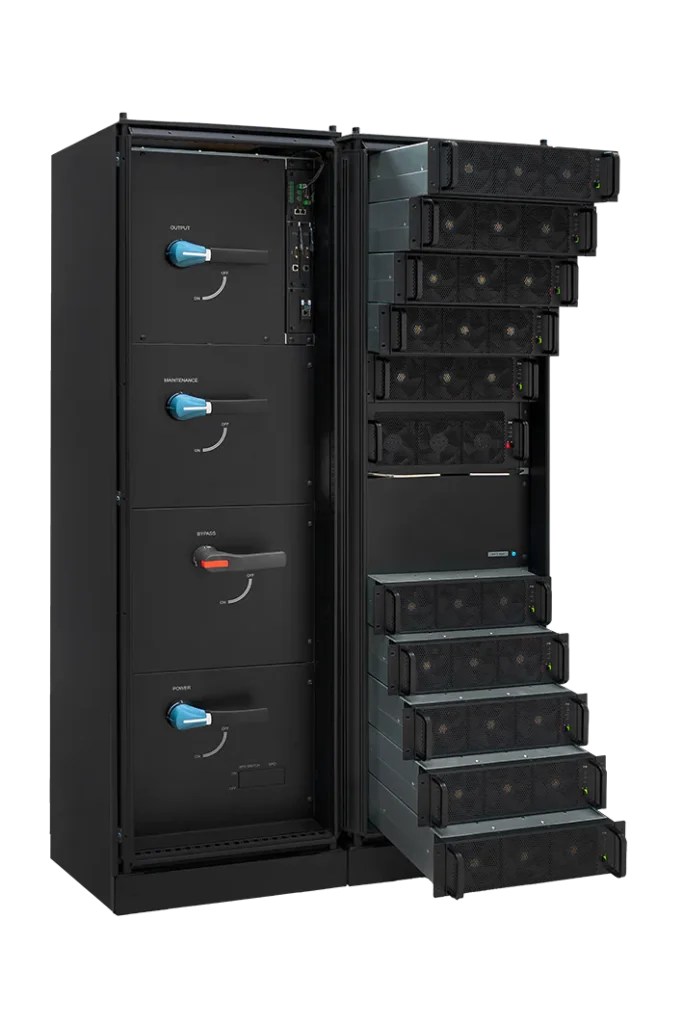
UPS with kinetic energy storage in the flywheel — clean protection without batteries and with a longer service life.
The highest quality of every product
Local services near you
Customer service every step of the way
Smooth technical communication
What is Flywheel UPS?
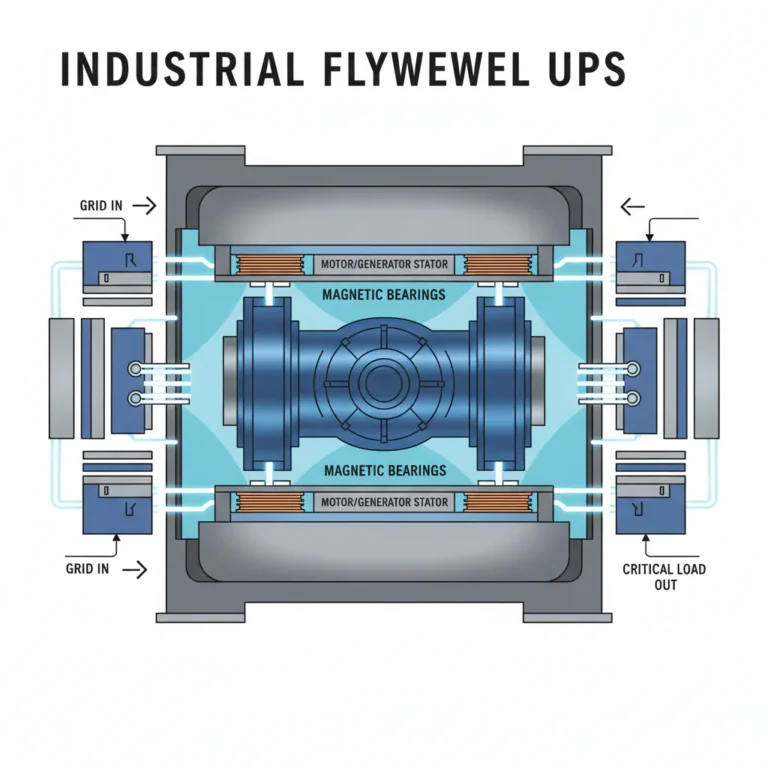
A Flywheel UPS is an uninterruptible power supply that stores energy in the kinetic energy of a rotating flywheel. When the power supply is interrupted, the rotational energy of the flywheel is instantly converted into electrical energy by a generator. A Flywheel UPS typically provides short-term, yet very fast protection - ideal as a bridge to the start-up of diesel generators. Unlike batteries, flywheel systems are chemical-free, require minimal maintenance and can cycle through many cycles without losing capacity.
How does Flywheel UPS work?
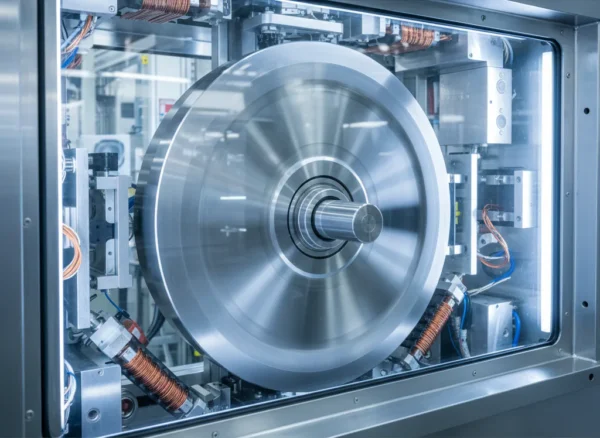
Flywheel UPS stores energy in a mechanical rotating mass (flywheel). During normal operation, an electric motor accelerates the flywheel to high speeds (typically 20,000-50,000 RPM). When the power supply is interrupted, the motor switches over and acts as a generator, converting kinetic energy back into electrical energy within milliseconds. Modern flywheel systems use magnetic bearings (levitation technology) to reduce friction losses and extend the service life to 20+ years.
Advantages of Flywheel UPS over battery systems
Flywheel UPS offers essential advantages: Long service life - over 20 years without replacement, unlike batteries that need to be replaced every 3-5 years. Environmental safety - no hazardous chemicals, no special disposal required. Fast response time - power is delivered in less than 1 millisecond. Low maintenance cost - minimal maintenance required. Stable operation over a wide temperature range. No risk of thermal runaway, as in Li-ion batteries.
Flywheel UPS application areas
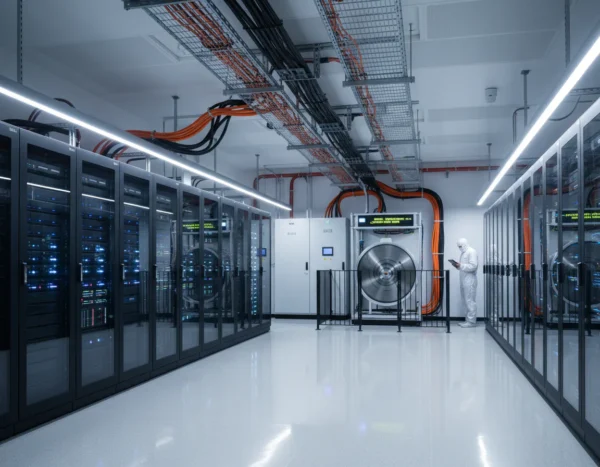
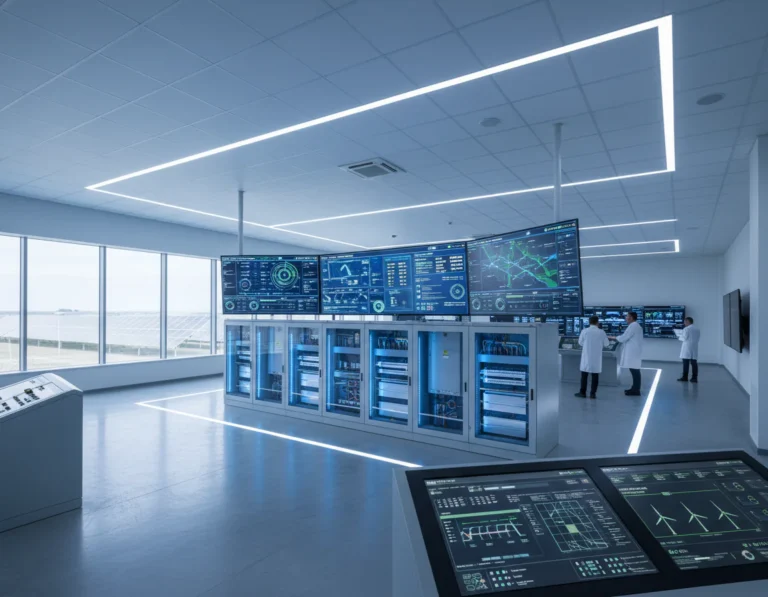
Flywheel UPS are widely used in: Data centers - as bridge power supply systems, enabling smooth generator start-up and protecting servers. Telecommunications - protecting network infrastructure from micro-interruptions and voltage fluctuations. Medical facilities - ensuring uninterrupted operation of life-support equipment. Industry - protecting manufacturing processes and CNC equipment. Energy - as fast-response energy buffering solutions for renewable energy systems.
RELATED ARTICLES

New JUMO representative – new opportunities for the country's industry
Company news
May 25, 2026
Invertas, UAB has become the official JUMO distributor in Lithuania – new opportunities for the country's industry. The Lithuanian industrial sector is rapidly modernizing, and the automation, measurement...
More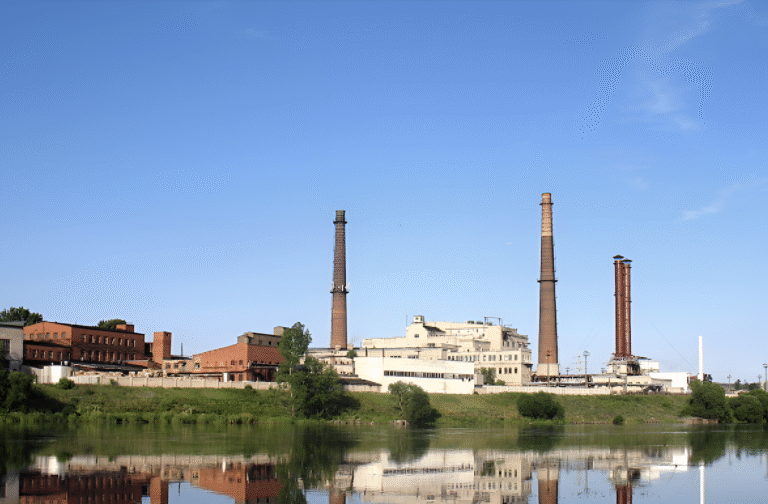
Powerful 560kW VACON 100 FLOW – already at Petrašiūnai power plant!
Company news
January 20, 2026
Powerful 560kW VACON 100 FLOW – now at Kauno Energija's Petrašiūnai power plant! Kauno Energija has recently installed one of the largest Danfoss VACON 100...
More