
Home > Products > Water analysis
Water analysis
Water quality analyzers – accurate measurement and monitoring of water parameters in real time. Reliable solutions for the control and safety of drinking, process and wastewater water.
Water analysis
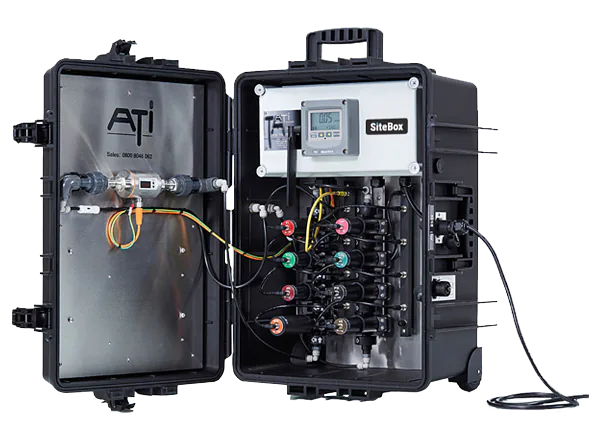
Optical spectrometric analyzers
Water quality analysis solutions, spectrophotometric and multiparameter analyzers and monitoring systems.
View products
Water analysis
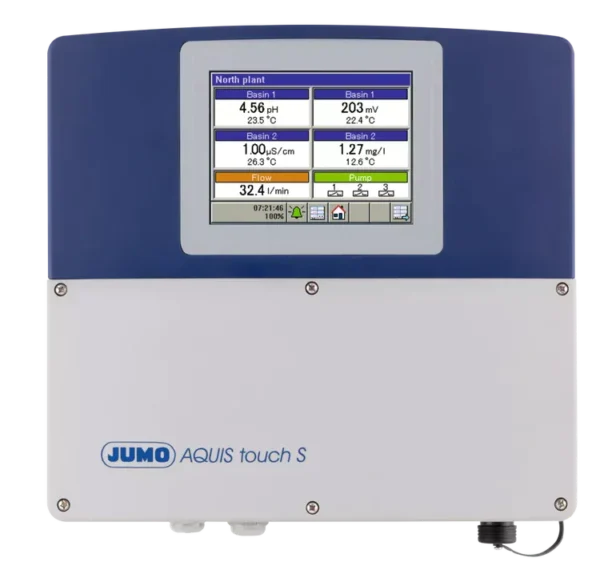
Process analyzers and sensors
Water analysis sensors and measurement systems (pH, ORP, conductivity, dissolved oxygen, etc.)
View products
The highest quality of every product
Local services near you
Customer service every step of the way
Smooth technical communication
Water analysis
Accurate water quality monitoring in industry and municipal utilities
Water analysis is the measurement and monitoring of chemical, physical and biological water parameters. In industry, municipal water supply networks, environmental protection and the food industry, water quality control is an essential element of process control. Using modern sensors and analyzers, it is possible to continuously and accurately monitor such indicators as pH, redox potential, conductivity, dissolved oxygen, turbidity, chlorine and many others.
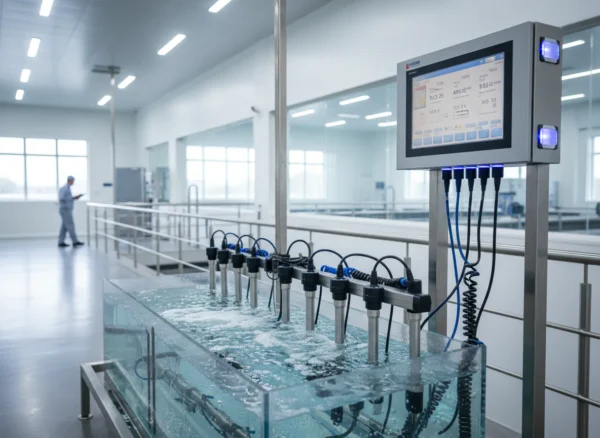
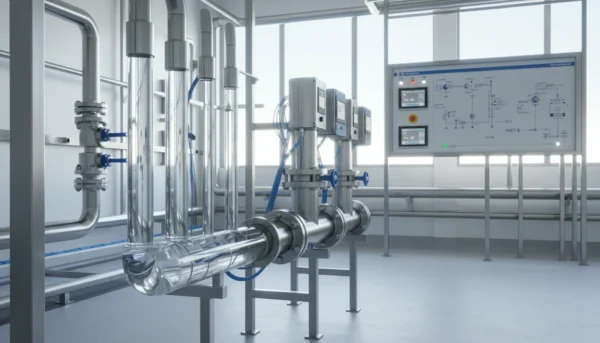
Typical water analysis challenges
Monitoring water quality indicators poses many technical and operational challenges:
- Changing water composition parameters (pH, conductivity, dissolved oxygen, ORP)
- Aggressive environment – corrosive materials, high temperature, pressure
- The need to measure several parameters simultaneously (multiparameter solutions)
- Continuous process monitoring without service interruptions
- Compliance with environmental and industry standards and regulations
Water analysis methods and technologies
Modern water analysis solutions include various measurement technologies. Electrochemical sensors (pH, ORP, conductivity, dissolved oxygen electrodes) ensure reliable and fast response in real time. Optical spectrometric analyzers allow you to determine the amount of organic matter, turbidity, and the concentration of nitrates and other compounds in the water matrix without reagents. Multiparameter analyzers combine several measurement technologies in one system, reducing installation and maintenance costs.
Typical water analysis methods:
- Electrochemical sensors (pH, ORP, conductivity, dissolved oxygen)
- Optical spectrometric analyzers (reagent-free)
- Multiparameter analyzers (combination of several technologies)
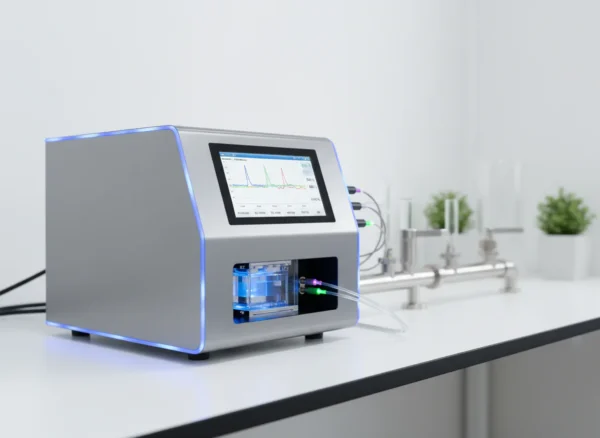
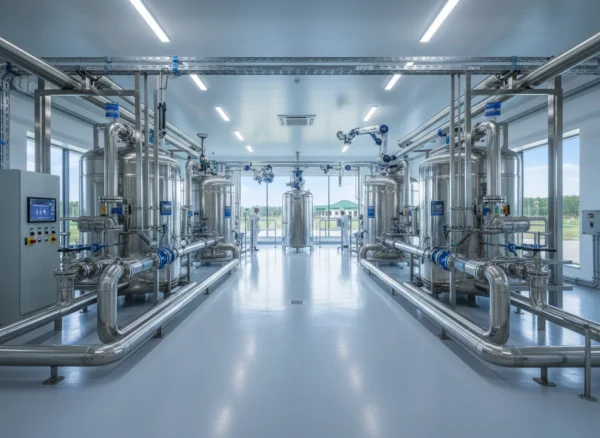
Fields of application
Water analysis solutions are widely used in municipal water supply and wastewater treatment plants, industrial processes (chemical, pharmaceutical, food industry), environmental monitoring stations, water treatment systems (demineralization, reverse osmosis) and irrigation systems. Accurate measurements allow you to optimize the dosage of chemical reagents, control the efficiency of treatment and ensure compliance of discharged wastewater with legal requirements.
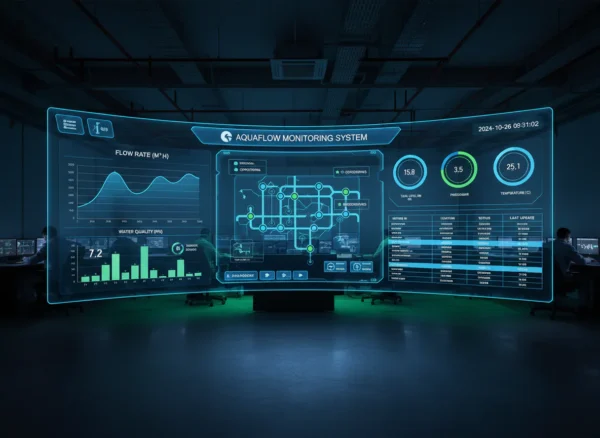
Monitoring, data logging and
remote control
Modern water analysis systems are integrated into plant control systems (SCADA, DCS) or cloud platforms, allowing real-time monitoring of measurement data and automatic report generation. Remote sensor calibration, diagnostics and fault reporting help reduce service costs and ensure continuous monitoring. Data logging facilitates audit trails and proof of compliance with regulatory authorities.
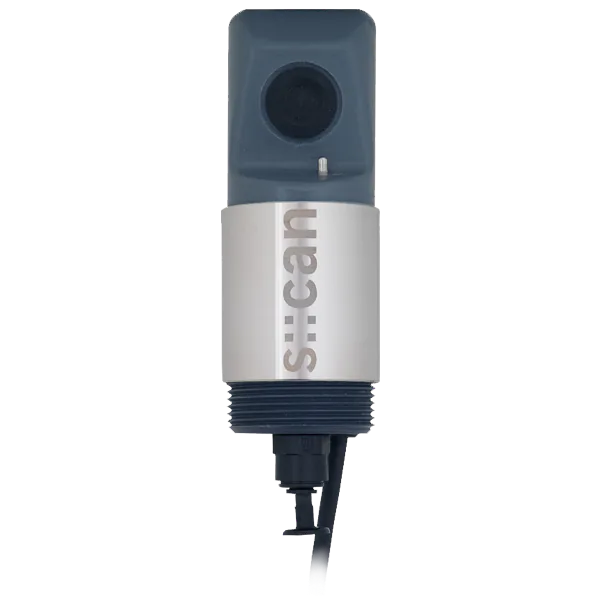
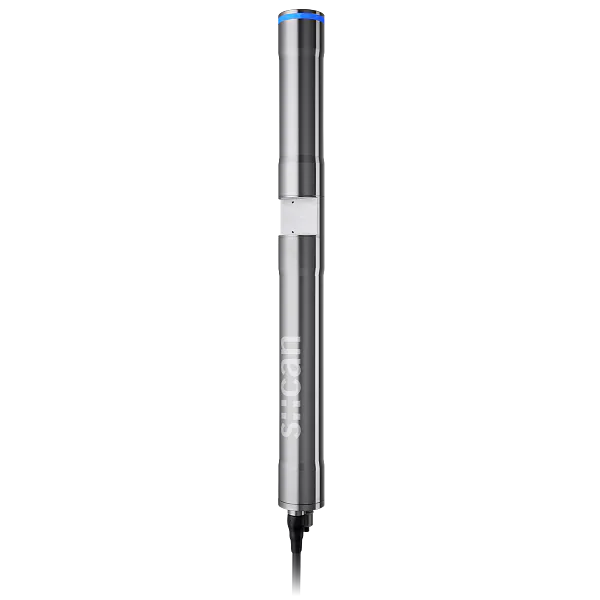
spectro::lyser V3
UV-VIS spectrometric probe for continuous measurement of water quality parameters directly in the process. The analyzer measures various parameters without chemical reagents using optical spectroscopy technology.
It is ideal for wastewater treatment plants, industrial processes, surface water and drinking water systems where accurate, stable and real-time measurements are required.
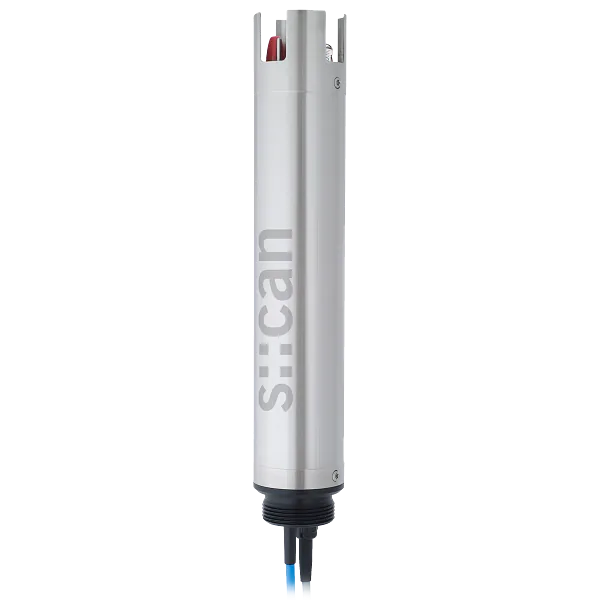
ammo::lyser Eco
Physical ammonium sensor for continuous real-time measurement of NH₄-N concentration. The sensor operates without reagents, reducing operating costs and maintenance requirements.
The solution is ideal for controlling biological wastewater treatment processes, optimizing aeration, and monitoring ammonium concentration in municipal and industrial facilities.
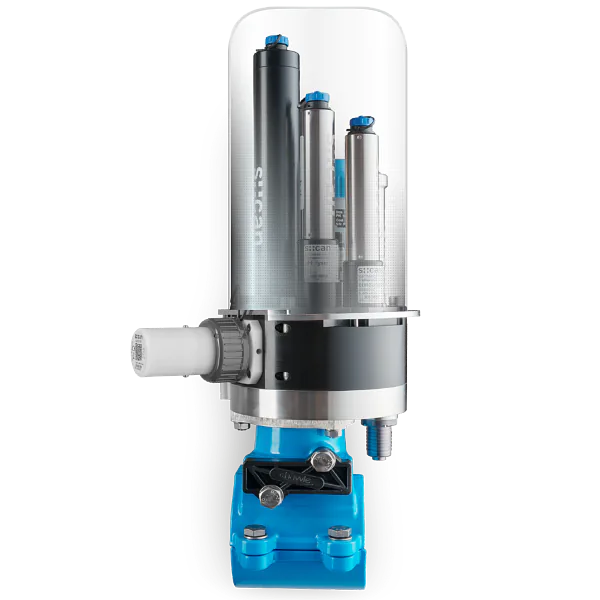
pipe::scan
A multifunctional drinking water quality monitoring system for water supply networks. It can simultaneously monitor several important water quality parameters and allows for rapid detection of quality changes in the distribution system.
The system helps ensure a safe drinking water supply, optimize network operation, and reduce the risk of water quality incidents.
RELATED ARTICLES
New JUMO representative – new opportunities for the country's industry
Company news
May 25, 2026
Invertas, UAB has become the official JUMO distributor in Lithuania – new opportunities for the country's industry. The Lithuanian industrial sector is rapidly modernizing, and the automation, measurement...
More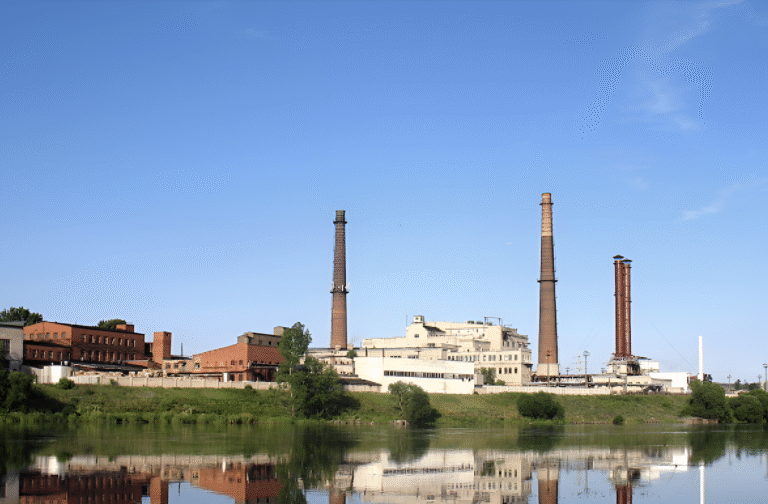
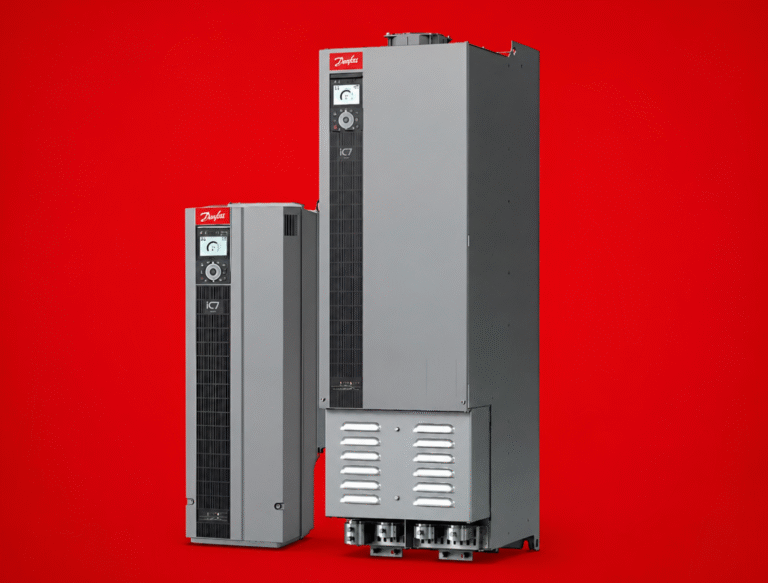
Powerful 560kW VACON 100 FLOW – already at Petrašiūnai power plant!
Company news
January 20, 2026
Powerful 560kW VACON 100 FLOW – now at Kauno Energija's Petrašiūnai power plant! Kauno Energija has recently installed one of the largest Danfoss VACON 100...
More