
Home > Products > DC power supply > DC/DC converters
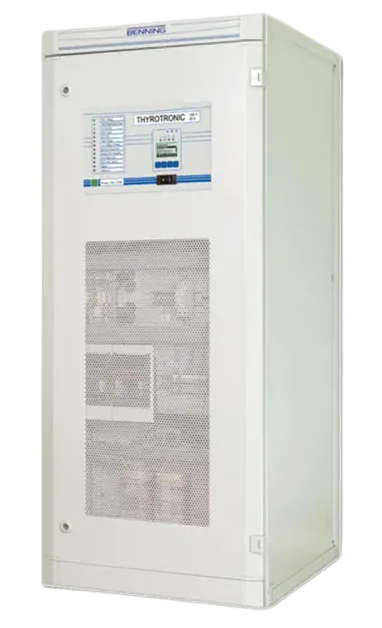
DC/DC converters
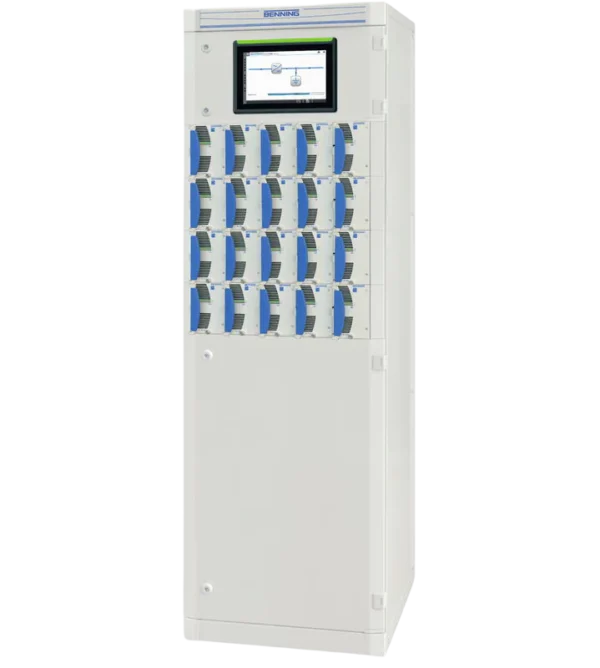
DC voltage conversion between different levels (e.g. 110 V → 24/48 V) with high efficiency and modular design.
The highest quality of every product
Local services near you
Customer service every step of the way
Smooth technical communication
DC Inverter Buying Guide
DC converters are electronic devices designed to convert direct current (DC) from one voltage level to another. They are used in industrial electronics, energy, transportation systems, and telecommunications, where stable and efficient voltage adaptation between different system components is required.
What is a DC converter?
A DC converter (DC-DC converter) is a power electronics device that converts one DC voltage level to another. Converters can increase the voltage (boost), decrease it (buck), or do both (buck-boost). Modern DC converters are characterized by high efficiency (95–99 %), compact dimensions, and a wide range of operating conditions, making them suitable for demanding industrial applications.
Advantages of DC converters
DC converters offer essential advantages for industrial solutions: High efficiency – modern converters achieve up to 99 % efficiency. Galvanic isolation – isolated converters protect sensitive systems from noise and electromagnetic interference. Wide input voltage range – stable output voltage even with fluctuating power supply. Compact design – DIN rail, PCB mounting or panel mounting options. Protection functions – against overload, short circuit, overvoltage and undervoltage.
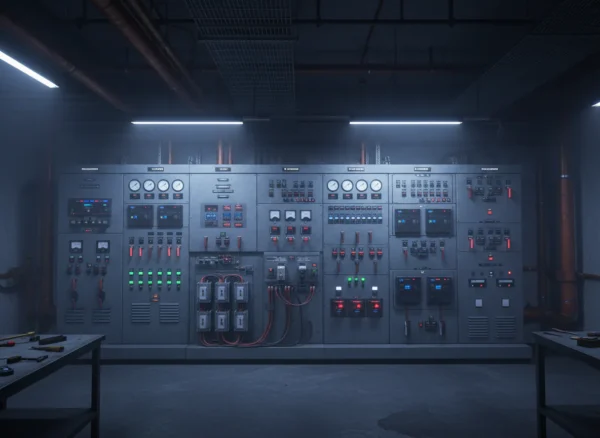
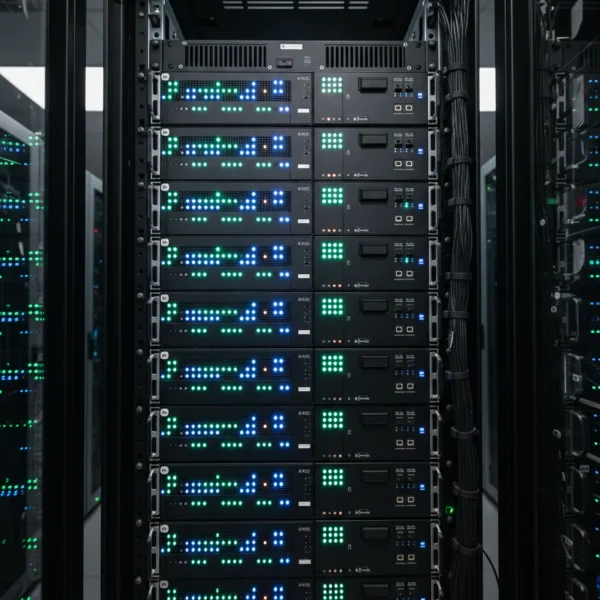
How does a DC converter work?
The operating principle of a DC converter depends on its type: A buck converter uses a switching transistor and an inductor to reduce the input voltage. A boost converter stores energy in an inductor and releases it to a capacitor, increasing the output voltage. Isolated converters use a transformer to electrically separate the input from the output. All types of converters use PWM (pulse width modulation) control, which ensures a stable output voltage under varying loads.
How to choose a DC inverter?
When choosing a DC converter, consider the following parameters: Input and output voltage – determine the operating range and tolerances. Power – choose a converter with a power margin of 20–30 % to ensure reliable operation. Isolation – decide whether galvanic isolation between input and output is required. Mounting type – DIN rail, PCB soldering or panel version. Operating environment – IP protection class, operating temperature (-40 °C to +85 °C), moisture resistance.
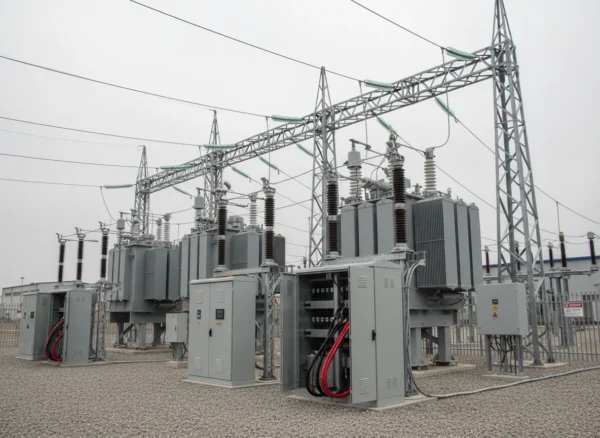
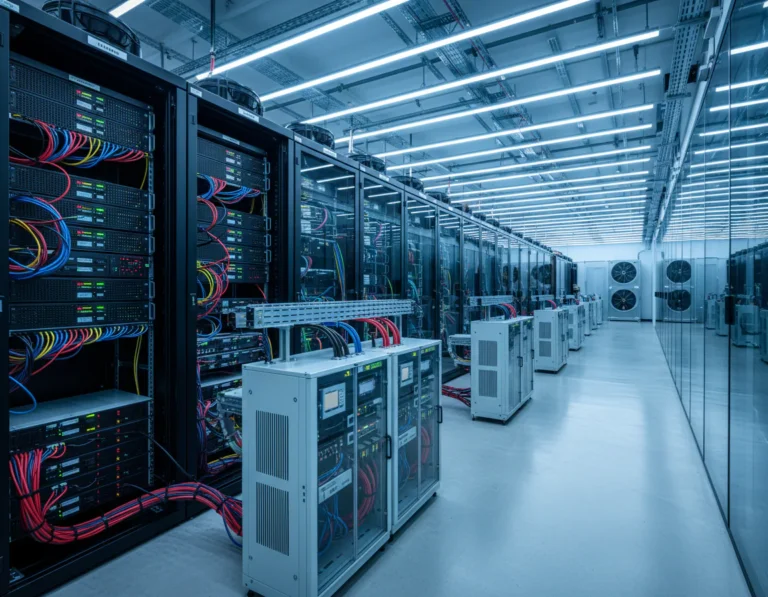
Application areas of DC converters
DC converters are widely used in various fields: Industrial automation – PLCs, sensors, control units that require stable 24 V or 48 V power supply. Telecommunications – power optimization for base stations and network equipment. Transportation – electric cars, trains, ships, where it is necessary to convert the on-board network voltage. Renewable energy – energy management of solar cells and wind turbines. Medical equipment – isolated converters in patient safety-sensitive medical systems.
RELATED ARTICLES
New JUMO representative – new opportunities for the country's industry
Company news
May 25, 2026
Invertas, UAB has become the official JUMO distributor in Lithuania – new opportunities for the country's industry. The Lithuanian industrial sector is rapidly modernizing, and the automation, measurement...
More
Powerful 560kW VACON 100 FLOW – already at Petrašiūnai power plant!
Company news
January 20, 2026
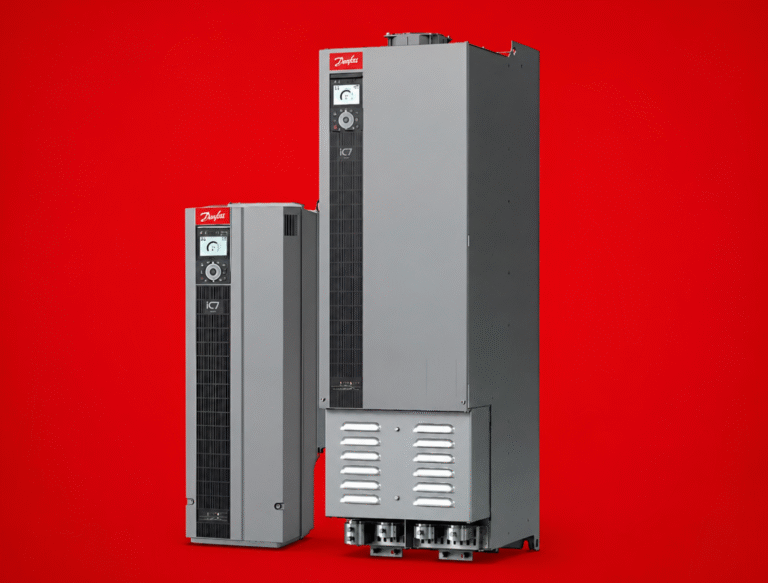
Powerful 560kW VACON 100 FLOW – now at Kauno Energija's Petrašiūnai power plant! Kauno Energija has recently installed one of the largest Danfoss VACON 100...
More