
Home > Products > Temperature and humidity measurement > Thermocouples
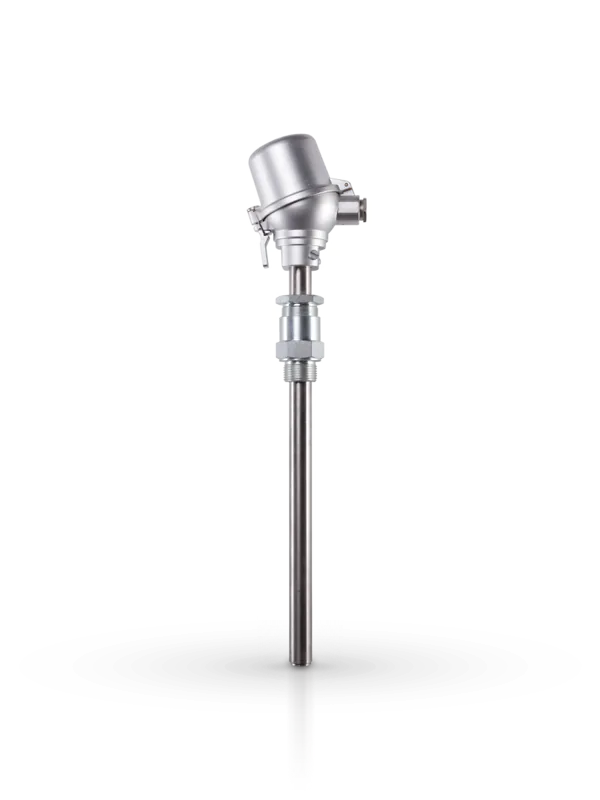
Thermocouples
Wide temperature range measurement with resistance thermocouples (types K, J, T, etc.) for demanding industrial processes.
Category
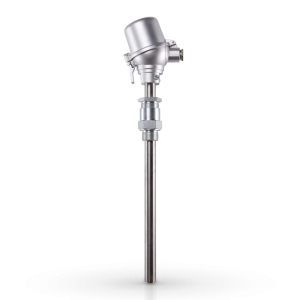
Thermocouples
Guenther thermocouple 00-TMT
More information
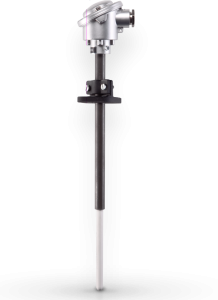
Thermocouples
Guenther thermocouple 05-TKT
More information
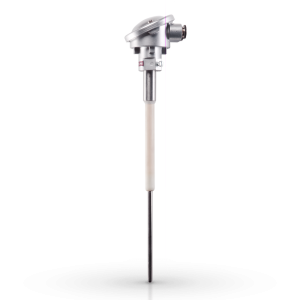
Thermocouples
Guenther thermocouple 08-TMP
More information
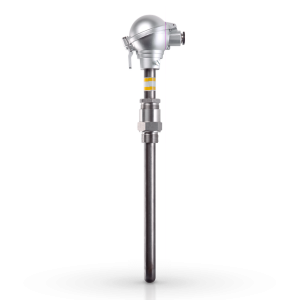
Thermocouples
Guenther thermocouple 10-TMM
More information
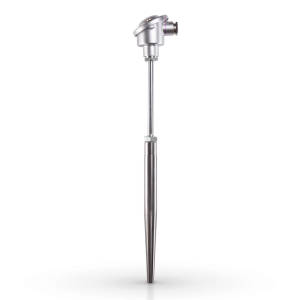
Thermocouples
Guenther thermocouple D 12-THD
More information
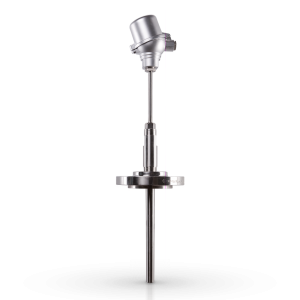
Thermocouples
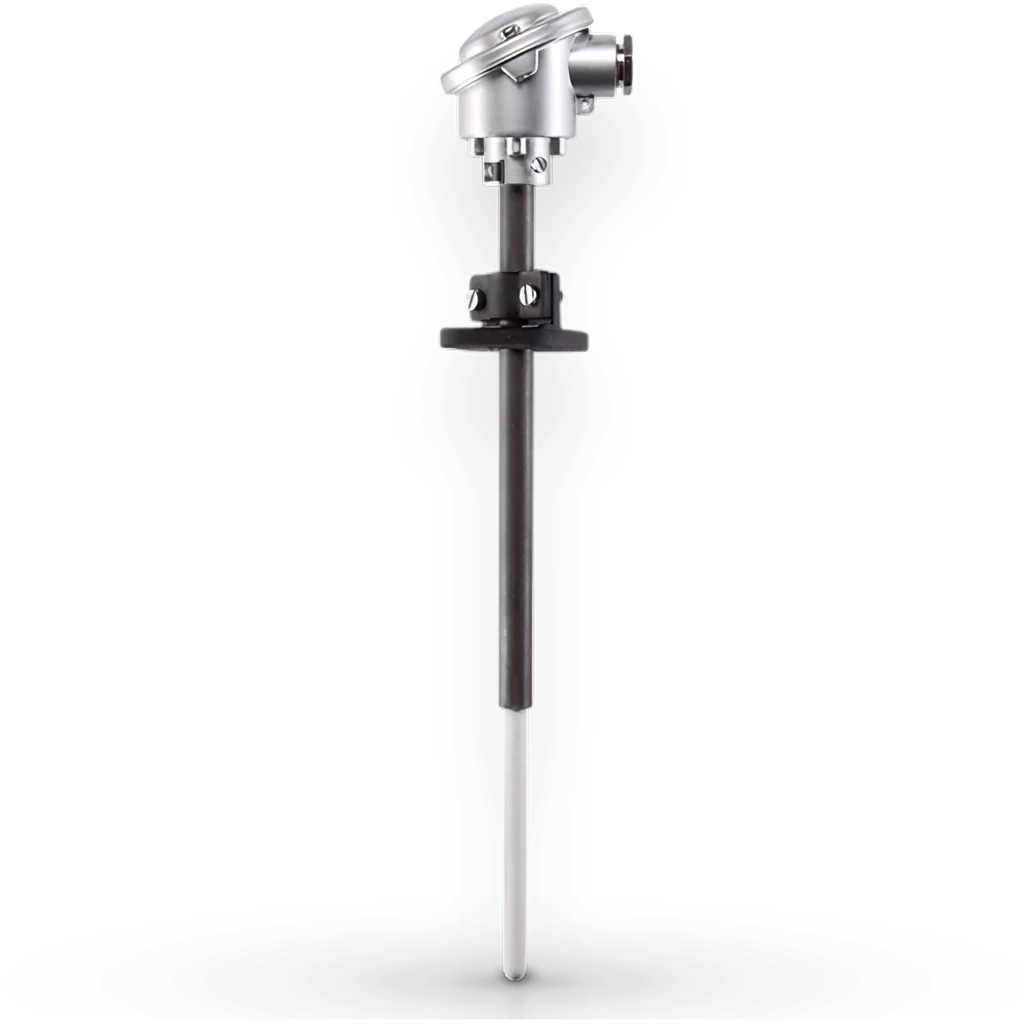
Guenther thermocouple with flange 13-TFL
More information
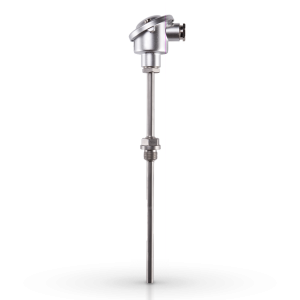
Thermocouples
Guenther threaded thermocouple 14-TES
More information
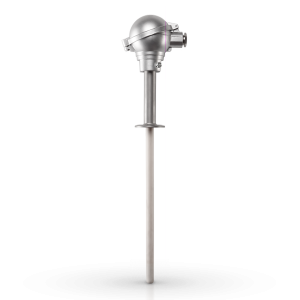
Thermocouples
Guenther thermocouple 15-TKM
More information
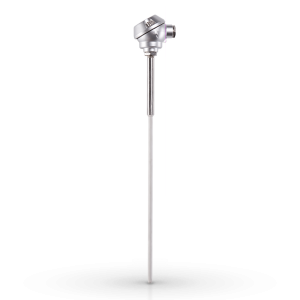
Thermocouples
Guenther thermocouple 18-TKL
More information
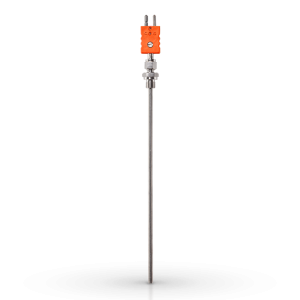
Thermocouples
Guenther thermocouple without additional protective tube 20-TOM
More information
The highest quality of every product
Local services near you
Customer service every step of the way
Smooth technical communication
Thermocouple Temperature Sensor Buying Guide
Thermocouples are the most widely used temperature sensors in industry, covering a wide measurement range from -200 °C to +2300 °C. They operate on the basis of the Seebeck effect: when two dissimilar metals are joined at one end, a voltage is generated that is proportional to the temperature difference between the hot junction and the reference point. This principle makes thermocouples robust, fast and reliable in harsh environments, vibration and high-temperature processes.
Whether you are monitoring furnace temperatures, controlling chemical reactions, or measuring cryogenic processes, selecting the right thermocouple type, sheath material, and connection configuration is critical for accuracy, durability, and safety.
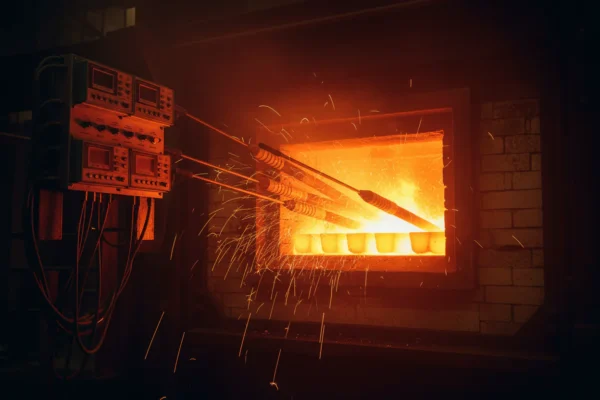

What are thermocouples?
A thermocouple is a simple but robust temperature sensor consisting of two wires of different metals welded together at one end (the hot junction). When the junction is heated, a small voltage (electromotive force, EMF) is generated between the two wires. This voltage is directly proportional to the temperature difference between the hot and reference junctions.
Thermocouples are ideal for harsh industrial environments: they withstand vibration, corrosive atmospheres and extreme temperatures. They are fast, inexpensive and easy to install, making them the primary choice for process control, furnace monitoring and safety-critical temperature measurement.
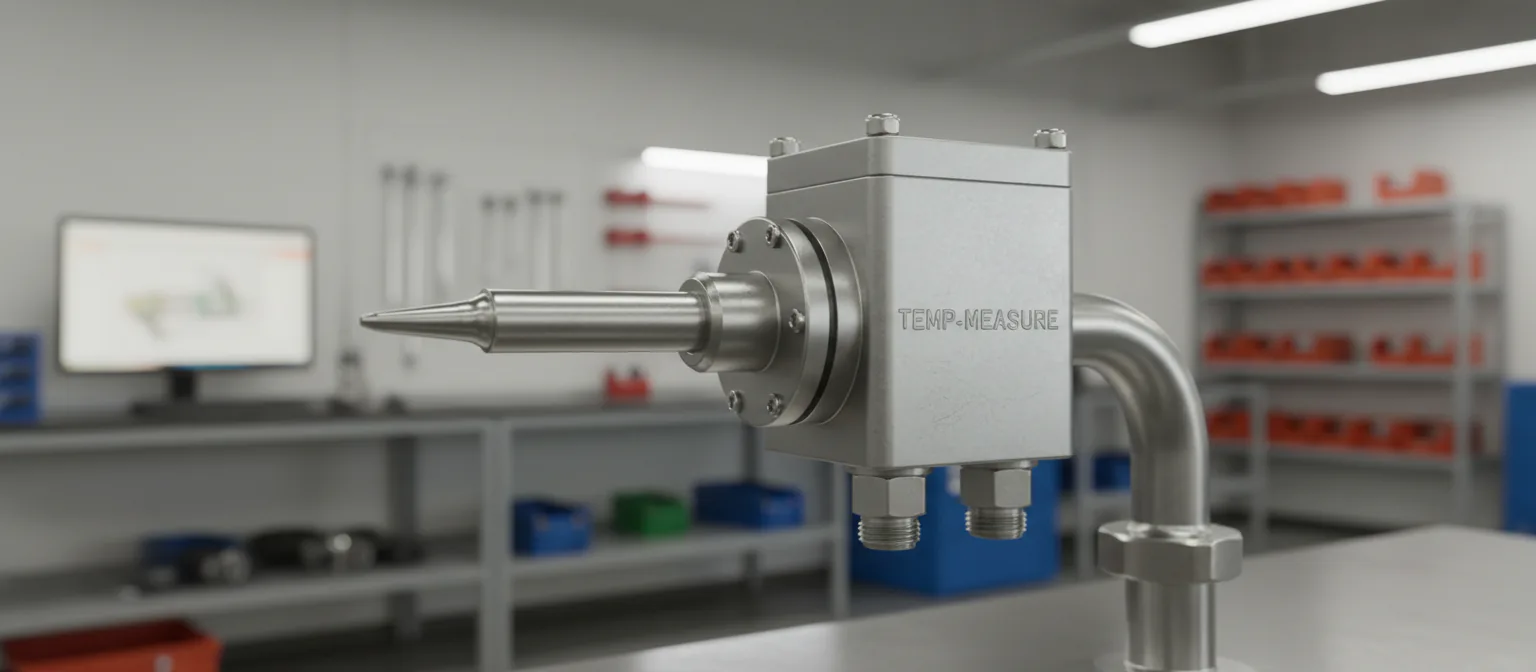
Types and uses of thermocouples
- Type K (chromel/alumel): -200 °C to +1260 °C, most common, general purpose industrial applications.
- Type J (iron/constantan): -40 °C to +750 °C, older industrial processes, less common due to risk of oxidation.
- Type T (copper/constantane): -200 °C to +350 °C, cryogenic and food industry applications where moisture resistance is required.
- Type N (nicrosil/nisil): from -200 °C to +1300 °C, improved stability at high temperatures compared to type K.
- S/R/B types (platinum types): up to 1700 °C, high accuracy, used in smelting and furnace applications where accuracy is critical.
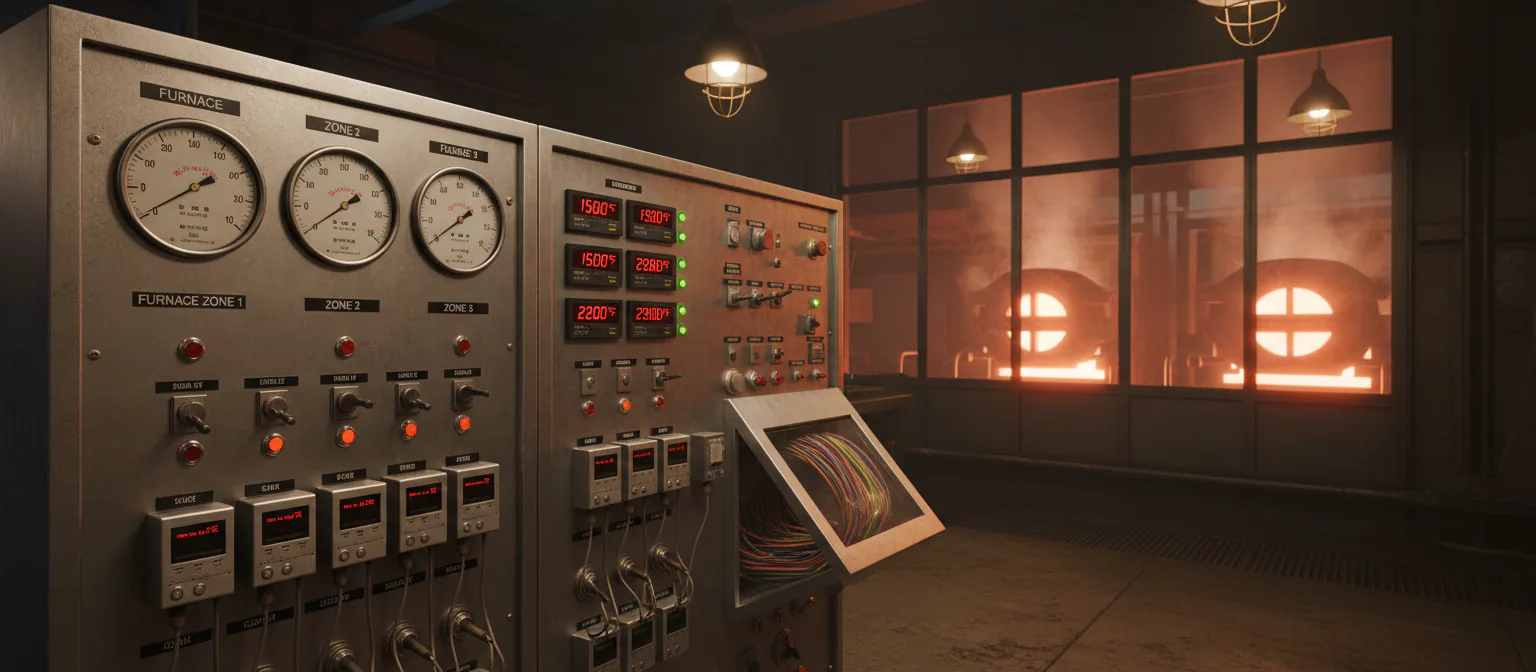
How to choose a thermocouple
Selecting the right thermocouple means adapting the sensor to your process conditions. Start with the temperature range: make sure the probe covers the expected minimum and maximum temperatures.
Next, select the thermocouple type (K, J, T, N, S/R/B) based on the required accuracy, environment, and compatibility with your measurement equipment.
Consider the housing material (stainless steel, Inconel, ceramic), connection type (grounded, ungrounded, open), response time, and environmental factors (chemical resistance, pressure, vibration). Finally, check the connection head type and any certifications required for your industry (e.g. food, aviation).
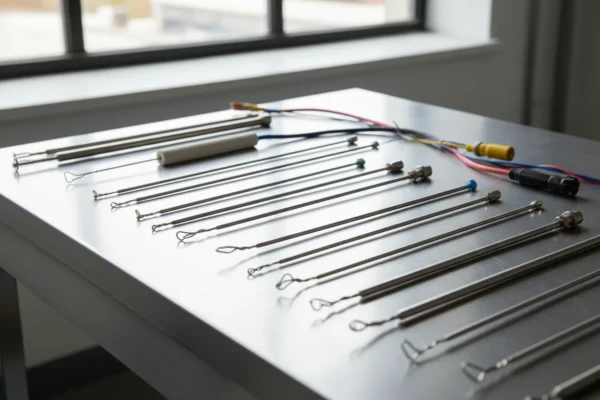
FAQ about thermocouple temperature sensors
Frequently asked questions about thermocouple selection, installation and maintenance.
- What is the difference between grounded and ungrounded thermocouples?: Grounded thermocouples have their sheath electrically connected to one of the thermocouple wires, which improves response time but introduces the risk of electrical noise. Ungrounded (isolated) reduces interference but may be slower.
- How do you know when to replace a thermocouple?: A thermocouple should be replaced if the reading becomes unstable, drifts over time, or if the sheath is damaged. Regular calibration checks also indicate when the probe is nearing the end of its life.
- Can thermocouples be used in vacuum?: Yes, but with caution. Thermocouples can be used in vacuum, but the sheath material must be compatible and the probe designed to prevent outgassing. Ceramic sheaths are often preferred.
- What causes thermocouple drift and how to avoid it?: Drift is often caused by oxidation, contamination, or metallurgical changes at high temperatures. To avoid it, it is necessary to select the appropriate thermocouple type for the temperature range, use protective sheaths, and minimize exposure to corrosive atmospheres.

RELATED ARTICLES

New JUMO representative – new opportunities for the country's industry
Company news
May 25, 2026
Invertas, UAB has become the official JUMO distributor in Lithuania – new opportunities for the country's industry. The Lithuanian industrial sector is rapidly modernizing, and the automation, measurement...
More
Powerful 560kW VACON 100 FLOW – already at Petrašiūnai power plant!
Company news
January 20, 2026
Powerful 560kW VACON 100 FLOW – now at Kauno Energija's Petrašiūnai power plant! Kauno Energija has recently installed one of the largest Danfoss VACON 100...
More