en
  • lt
  • en

Liquid level measurement

Accurate liquid level measurement in tanks, containers and open wells — reliable for both clean and aggressive media.

The highest quality of every product

Local services near you

Customer service every step of the way

Smooth technical communication

Liquid level measurement

Reliable contact and non-contact solutions for tanks, containers and technological processes

Liquid level measurement allows for precise monitoring of the filling of tanks, vessels and technological processes, ensuring safe and efficient system operation. Depending on the application, contact or non-contact measurement methods are used, including hydrostatic, radar, ultrasonic and capacitive sensors. The right solution helps prevent overfilling, dry running, optimize process control and ensures reliable operation in various industrial areas.

High accuracy

Non-contact measurement

Easy maintenance

Radar level measurement

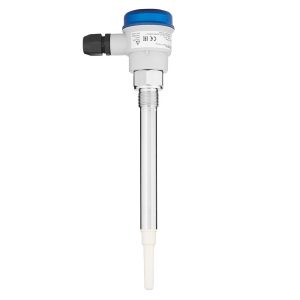
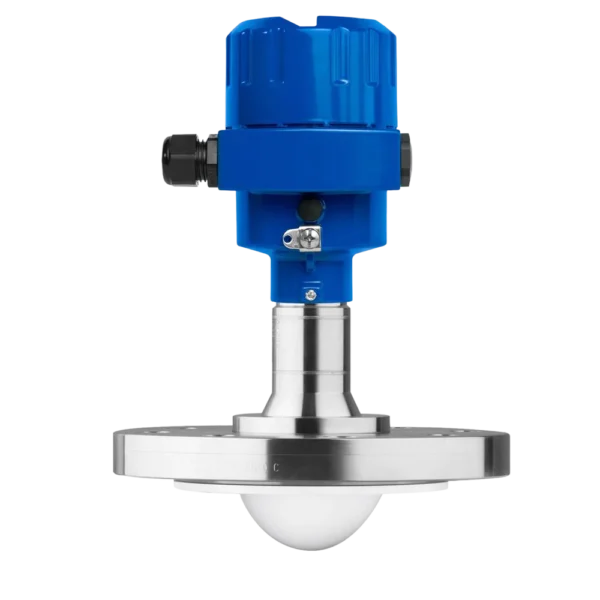
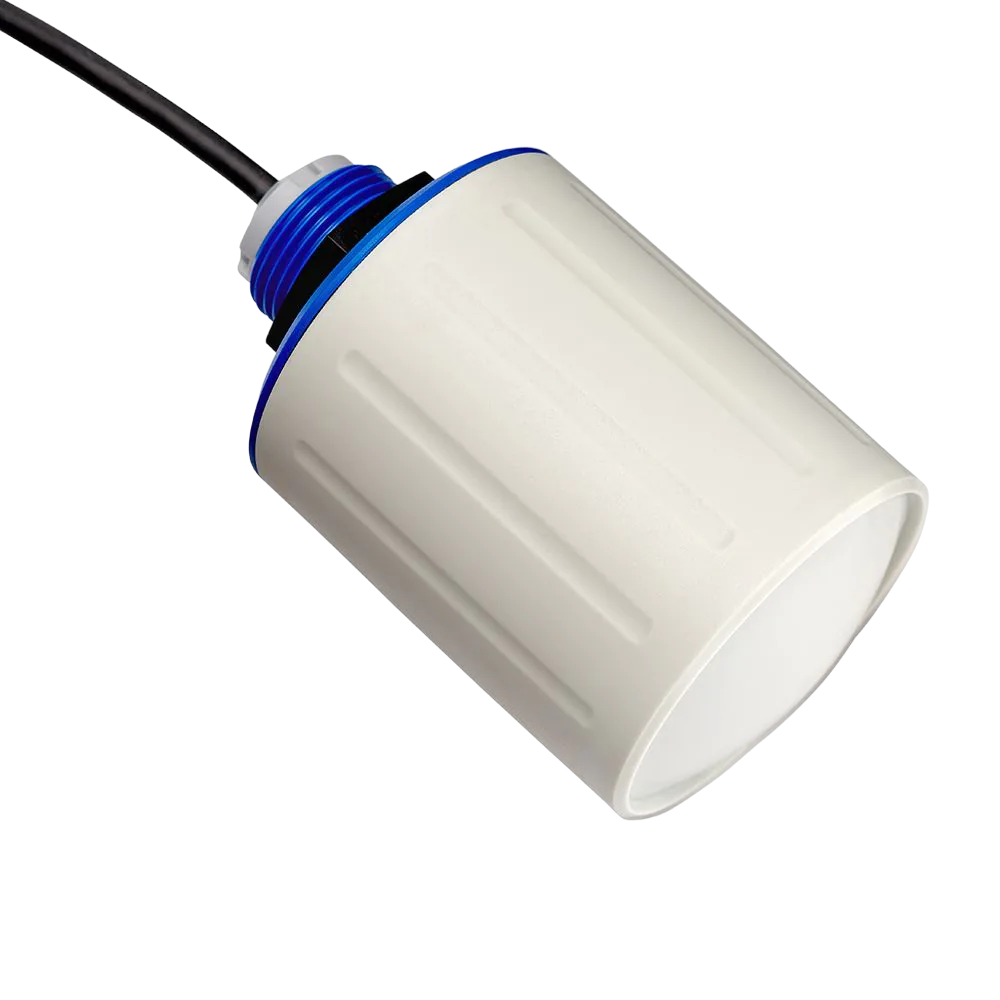
UWT NivoRadar radar level meters use advanced non-contact 80 GHz measurement technology, allowing for accurate level determination of liquids and bulk products even under difficult operating conditions.

  • Measurements are not affected by dust, steam, condensation or temperature changes, ensuring stable and reliable operation. Due to their compact design, easy start-up and high measurement accuracy, these radars are widely used in industrial tanks, containers and silos.

Capacitive level sensors

Capanivo®

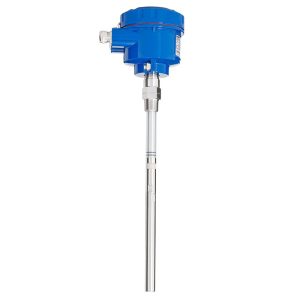
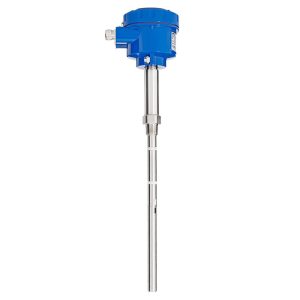
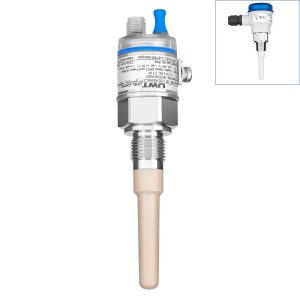
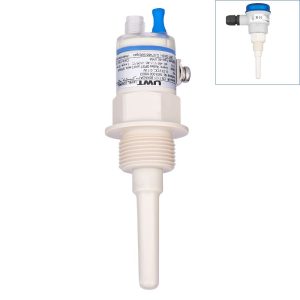
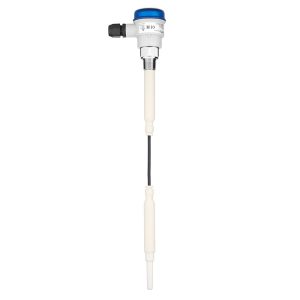
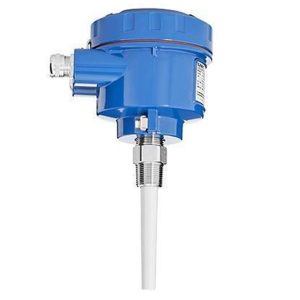
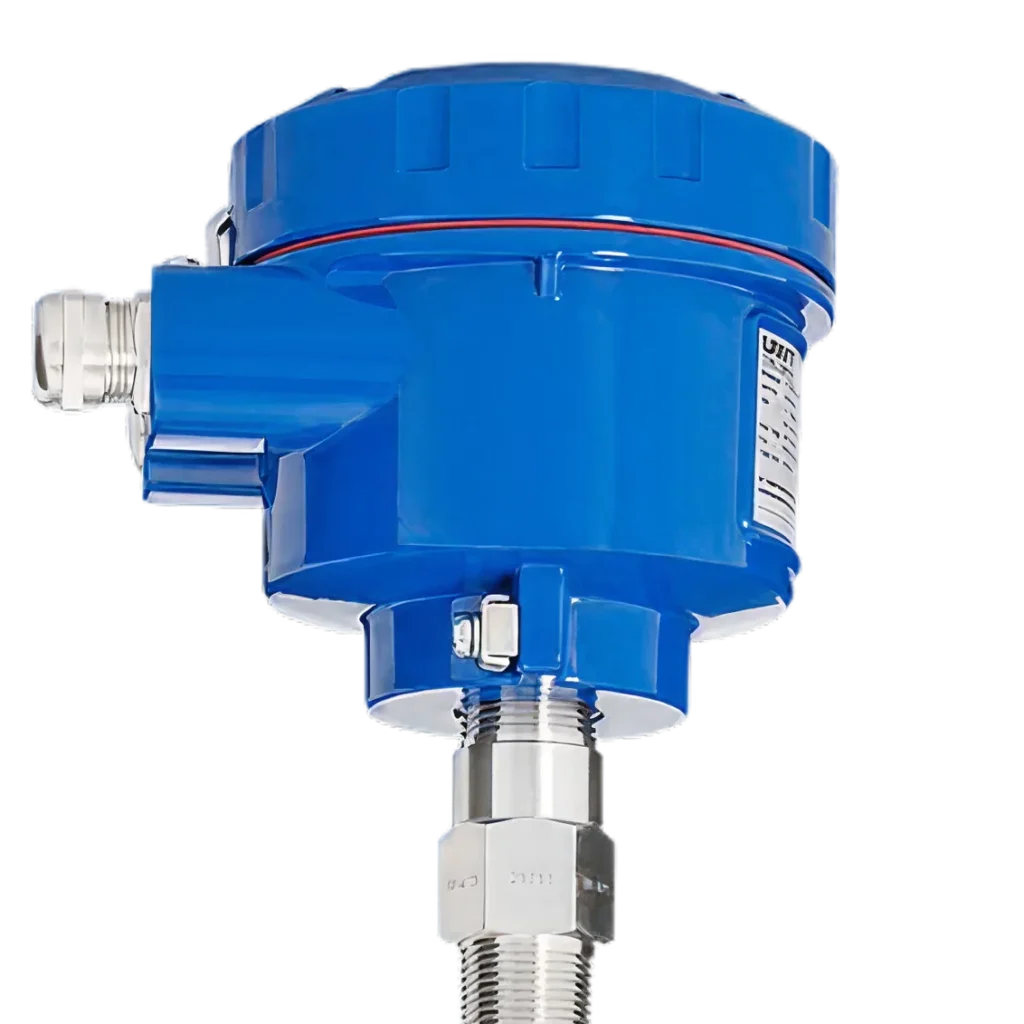
UWT Capanivo capacitive level sensors are designed for point and continuous level measurement of liquids, bulk products, pastes and other materials. They operate on the capacitance principle, ensuring reliable detection even under difficult process conditions.

  • Wide application in various media
  • Compact design and resistance to environmental influences
  • Used in food, chemical, water and other industries

Vibrating level switches

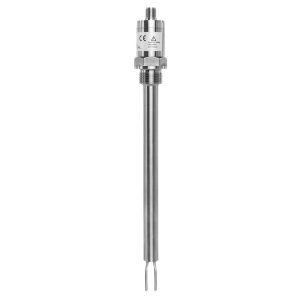
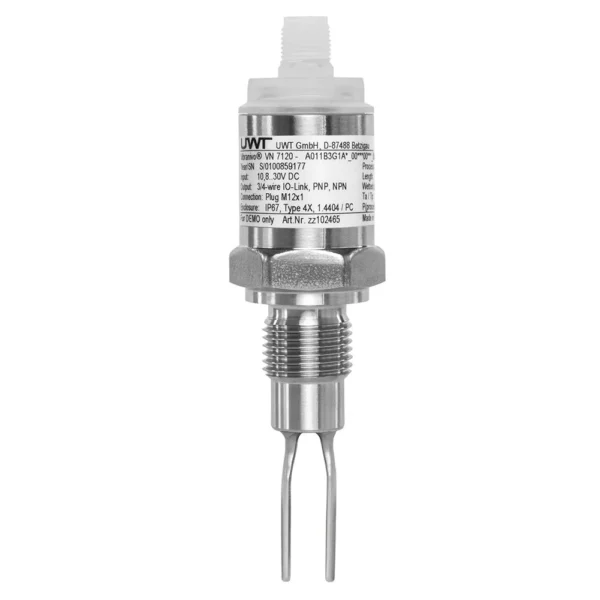
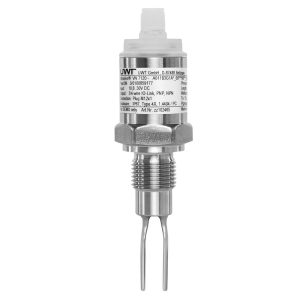
UWT Vibranivo® vibrating level switches for liquids are designed for reliable point level control in tanks, pipelines and process vessels. The vibrating fork principle ensures accurate operation regardless of foam, turbulence, air bubbles or sediment formation.

  • Requires no calibration or maintenance
  • Reliable protection against overflow or dry running
  • Suitable for water, wastewater, food and chemical processes