
Home > Products > Temperature and humidity measurement > ATEX
ATEX
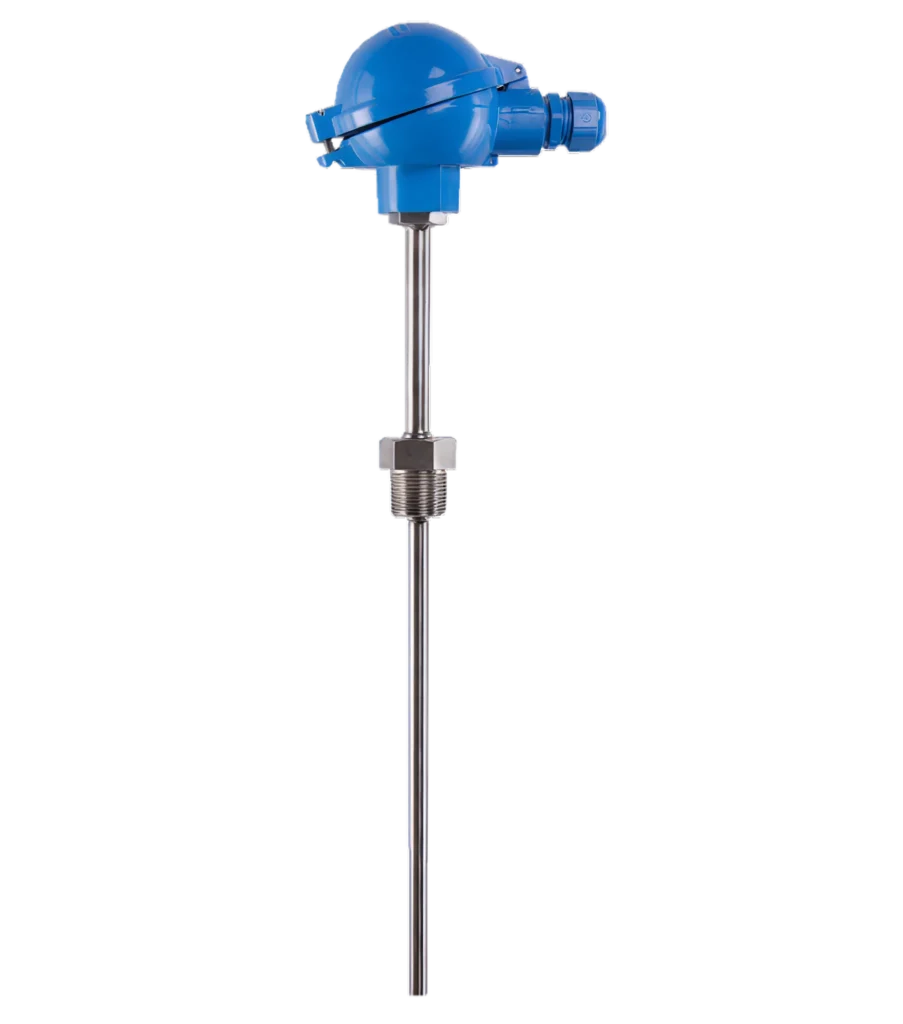
Temperature sensors certified for explosive environments — safe measurement in the oil, gas and chemical industries.
The highest quality of every product
Local services near you
Customer service every step of the way
Smooth technical communication
ATEX Temperature Sensor Buying Guide
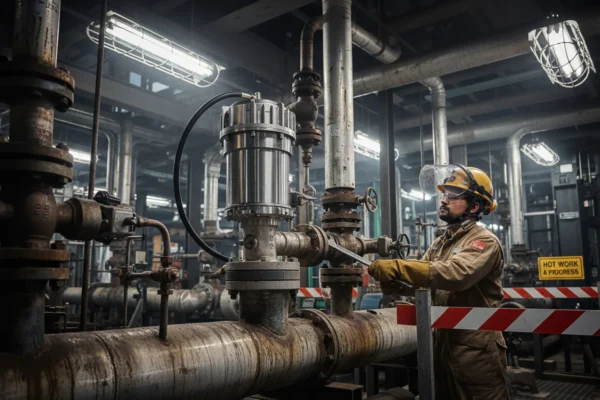
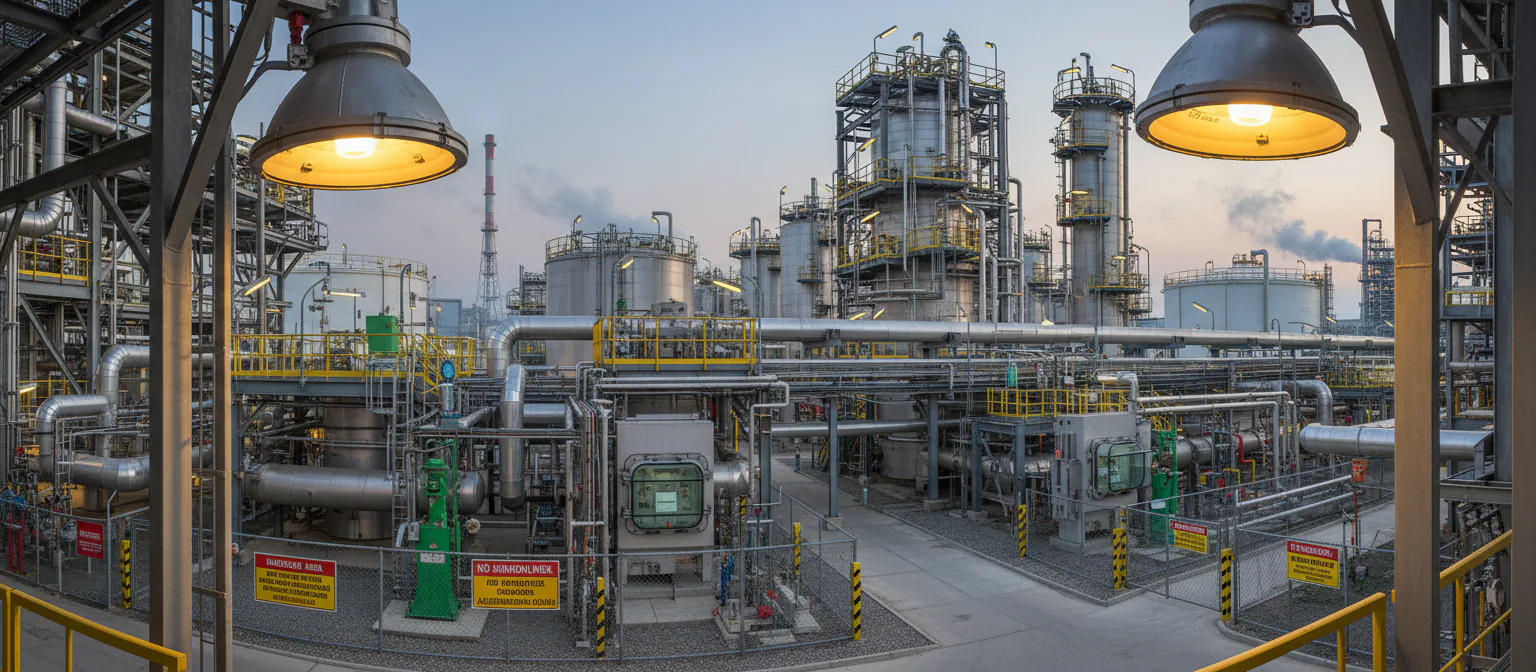
ATEX certified temperature sensors are designed for use in explosive environments (Ex zones). These sensors are essential in the oil and gas, chemical, mining and pharmaceutical industries, where explosive gases or dusts can pose a hazard.
The right ATEX sensor ensures accurate measurement, safety and compliance with the required categories and zones. In this guide you will find the main criteria: temperature range, protection class (IP), connection head type, Ex marking and process medium.
What are ATEX temperature sensors?
ATEX temperature sensors are special devices designed to measure temperature in explosive environments. They comply with European Directive 2014/34/EU and are suitable for use in work areas (Ex zones) where explosive gases, vapors or dust may be present.
These sensors are used in various industries: oil and gas, chemical, mining, pharmaceutical and other areas where safe operation in explosive environments is required. They are designed in such a way that they do not cause an explosion, either directly or indirectly.
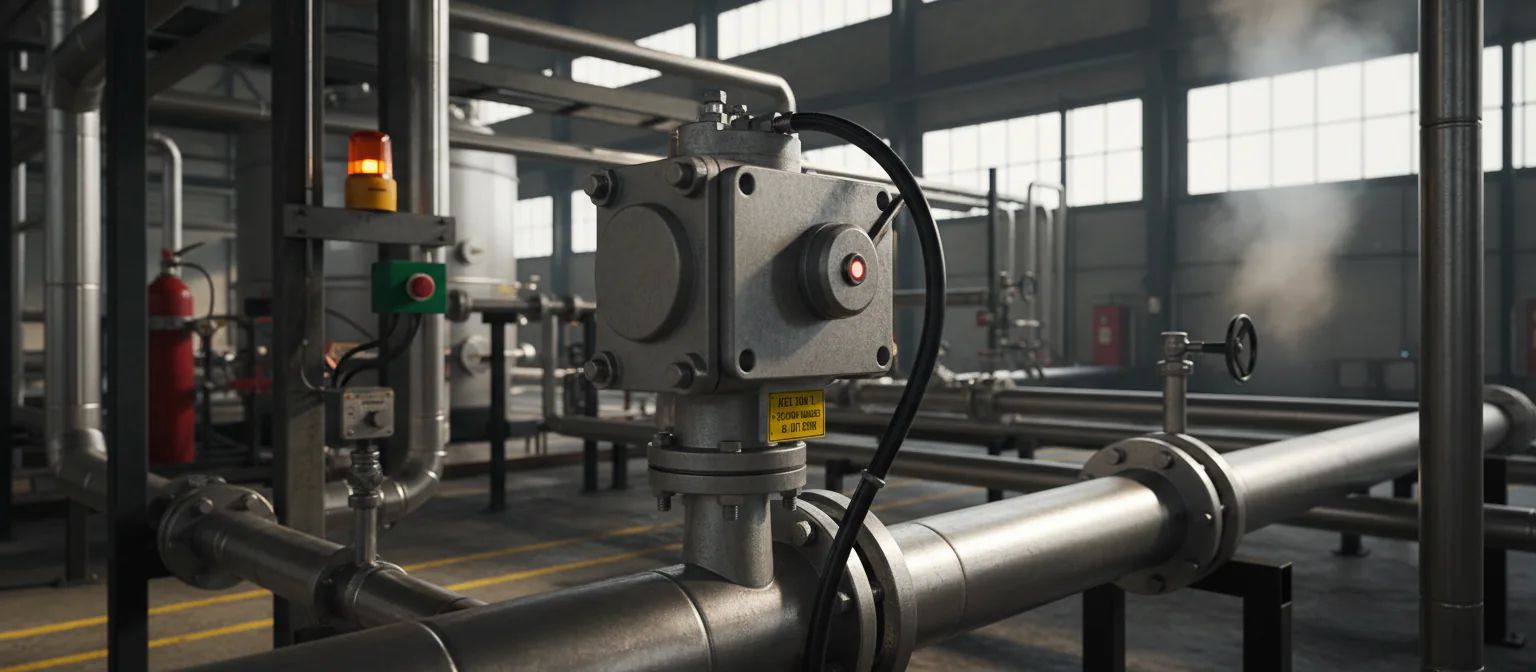
ATEX zones and categories
- Zone 0/1/2 (gas): intended for areas where explosive gases are present or may be present for a long time.
- Zone 20/21/22 (dust): intended for areas where explosive dust is present or may be present.
- Categories (1G/2G/3G and 1D/2D/3D): defines the safety level of the device for gas and dust zones respectively.
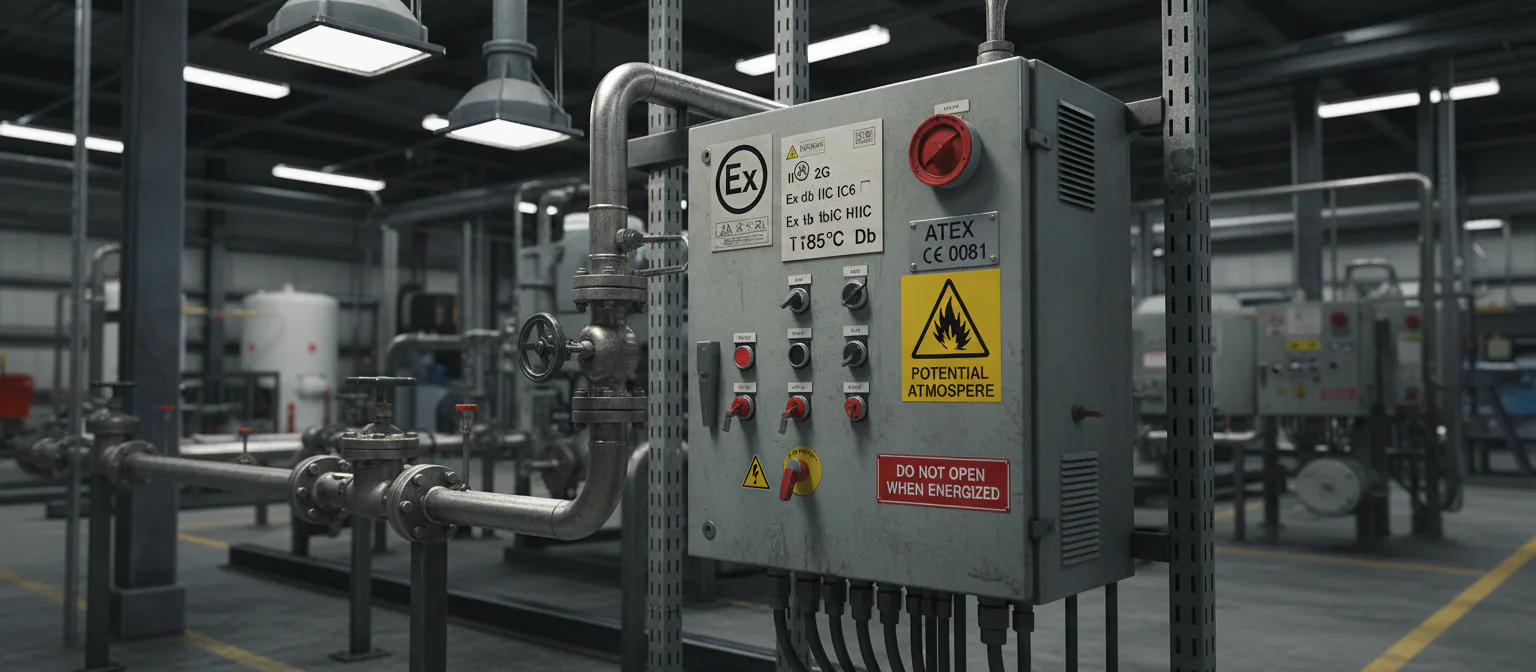
How to choose an ATEX temperature sensor?
Select a sensor that matches the required temperature range and protection class (IP). First determine which zone (0/1/2 or 20/21/22) and which category (e.g. 1G/2G) your process requires.
Before purchasing, check the connection head type, the required Ex marking (e.g. II 1/2 G Ex ia/ib IIC T6 Ga/Gb) and the process medium (e.g. corrosive media, high pressure).
Also, consider response time, installation method, and availability for technical service. The right choice ensures not only safety, but also accurate measurement and a longer sensor life.

Frequently asked questions about ATEX sensors
Frequently asked questions about the selection, installation and maintenance of ATEX temperature sensors.
- What does the ATEX mark on the sensor mean?: The ATEX mark (e.g. II 1/2 G Ex ia/ib IIC T6 Ga/Gb) indicates that the device meets the safety requirements for explosive environments and can be used in the specified area.
- How do I determine what zone is needed for my process?: The zone is determined by the availability and duration of the explosive substance (gas or dust). This is done by classifying explosive areas according to EN 60079-10-1/2.
- Do ATEX sensors require special installation?: yes. Installation work must comply with the manufacturer's recommendations and the device connector and cable must be adequately protected to prevent explosion.
- How to maintain ATEX sensors to maintain safety?: regularly check the condition of the sensor, perform the necessary tests and maintenance, and keep the necessary documentation (e.g. operating instructions, certificates) available to employees.

RELATED ARTICLES
New JUMO representative – new opportunities for the country's industry
Company news
May 25, 2026
Invertas, UAB has become the official JUMO distributor in Lithuania – new opportunities for the country's industry. The Lithuanian industrial sector is rapidly modernizing, and the automation, measurement...
More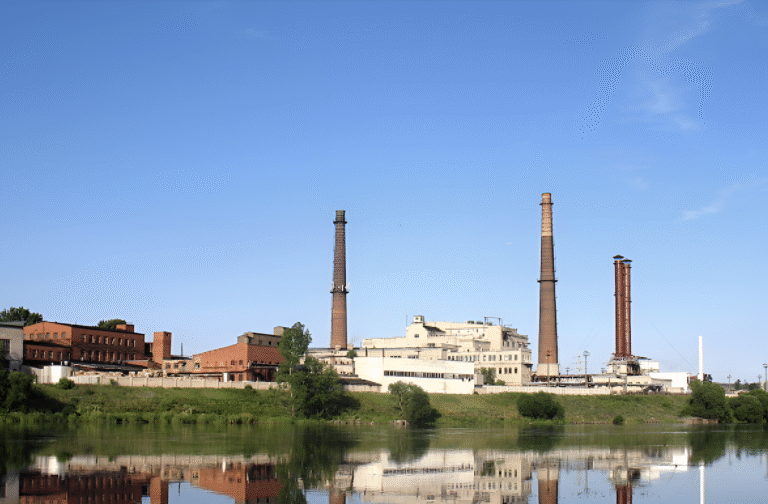
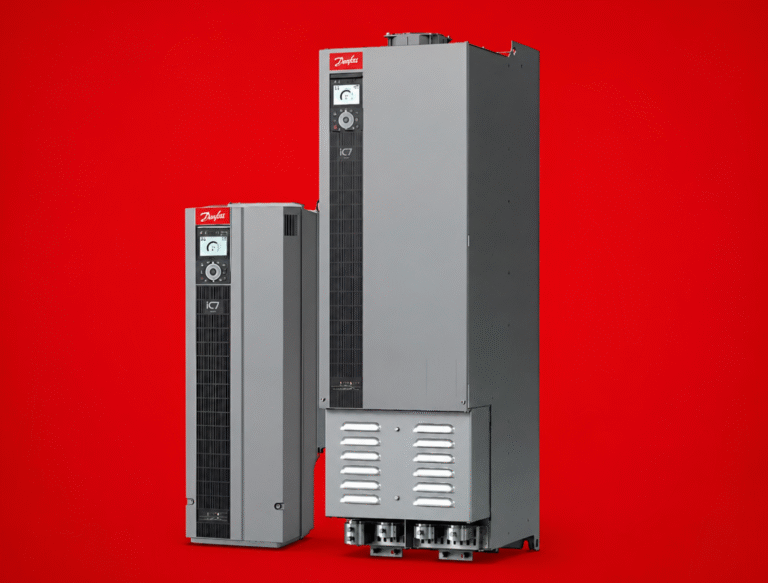
Powerful 560kW VACON 100 FLOW – already at Petrašiūnai power plant!
Company news
January 20, 2026
Powerful 560kW VACON 100 FLOW – now at Kauno Energija's Petrašiūnai power plant! Kauno Energija has recently installed one of the largest Danfoss VACON 100...
More