
Home > Products > DC power supply > DC/AC inverters
DC/AC inverters
Converting direct current into high-quality alternating current to power critical equipment independently of the grid.
The highest quality of every product
Local services near you
Customer service every step of the way
Smooth technical communication
DC/AC inverter buying guide
DC/AC inverters are specialized static converters designed to convert direct current (DC) into sinusoidal alternating current (AC). These devices provide uninterrupted AC power to critical systems – in power plants, industrial installations, telecommunications networks and transport infrastructure. This guide will provide essential information to help you choose the right DC/AC inverter for your specific needs.
What is a DC/AC inverter?
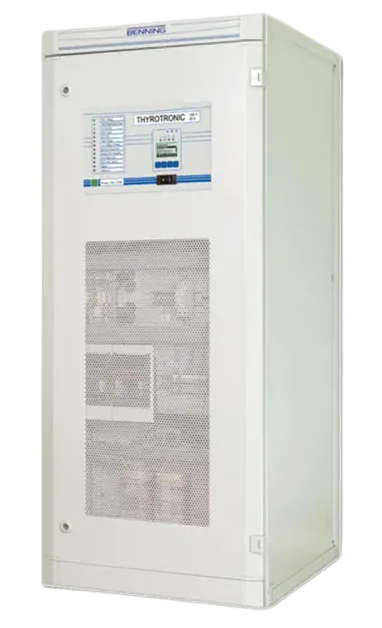
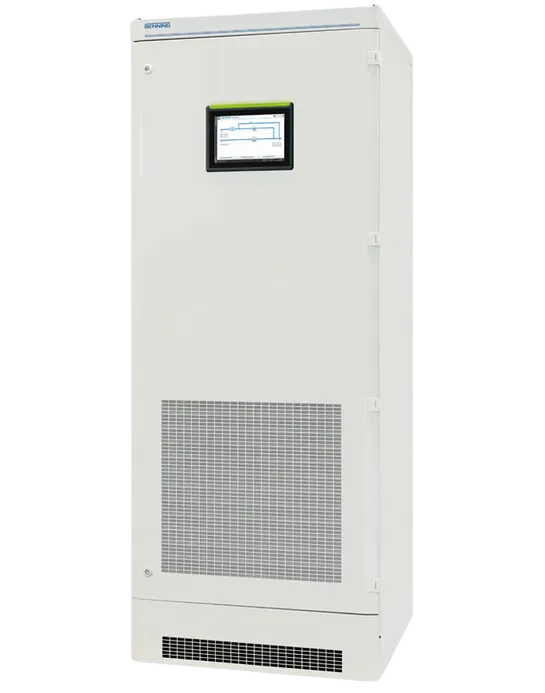
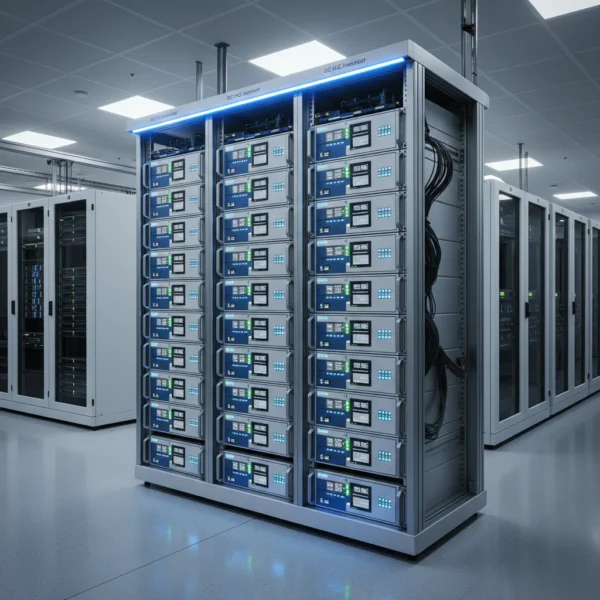
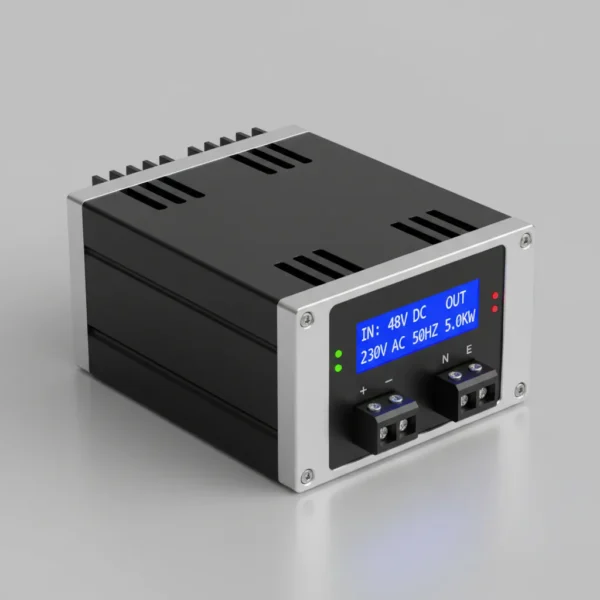
A DC/AC inverter is a static electronic device that transforms direct current (DC) energy into sinusoidal alternating current (AC). Unlike traditional UPS systems, DC/AC inverters operate directly from the DC bus or battery banks, making them particularly suitable for critical applications. Modern industrial inverters, such as the BENNING Invertronic series, feature a pure sine wave output, a wide DC input range (24 V–220 V DC) and high efficiency of up to 95%.
Advantages of DC/AC inverters
DC/AC inverters offer exceptional benefits for critical installations: Pure sine wave – ensures full compatibility with all sensitive electronics and electric motors. High efficiency – modern models achieve up to 95 % efficiency, minimizing energy losses. Wide DC input range – compatibility with 24 V, 48 V, 60 V, 110 V and 220 V DC systems. Compact modular design – easily integrates into existing DC systems and cabinets. High reliability – no moving parts, therefore requiring minimal preventive maintenance.
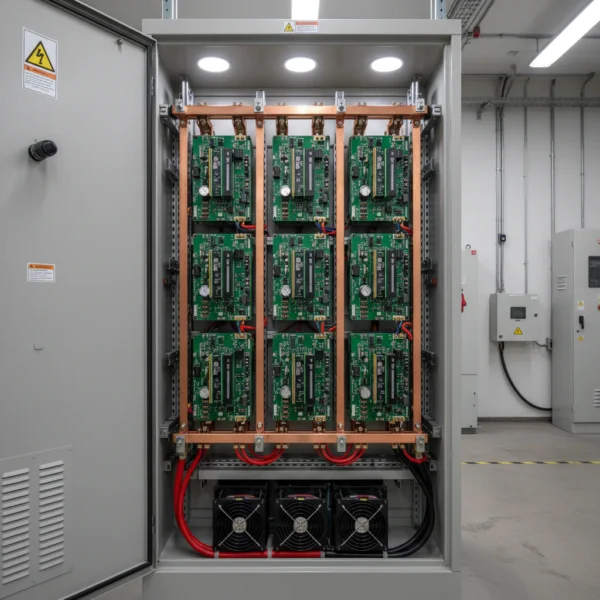
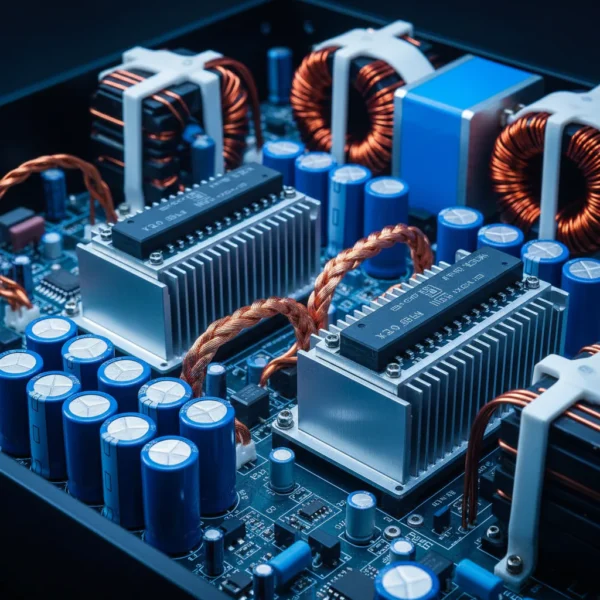
How does a DC/AC inverter work?
The DC/AC inverter operates in the following main stages: DC input filtering – the DC voltage is stabilized and filtered from high-frequency interference. High-frequency converter – IGBT or MOSFET transistors convert DC into a modulated signal using PWM technology. Sine wave shaping – the output filter creates a pure sine wave with the required AC voltage (230 V or 400 V) and frequency (50/60 Hz). Control system – microprocessor electronics constantly monitors the output parameters and responds to load changes. Switching from mains power to the inverter takes place in a few milliseconds.
How to choose a DC/AC inverter?
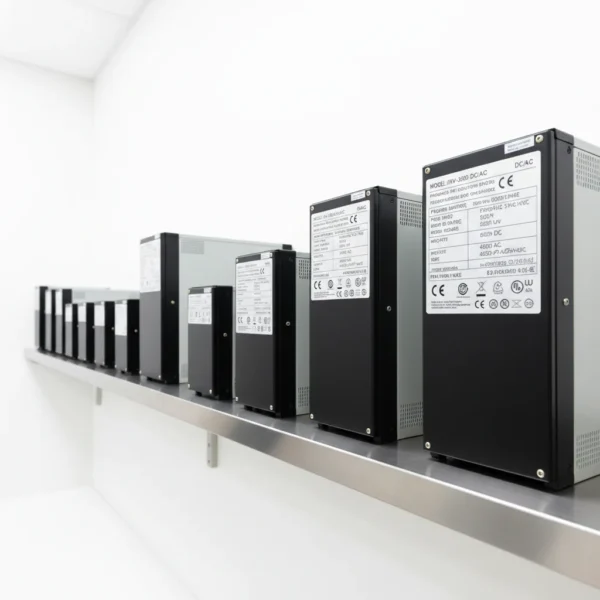
When choosing a DC/AC inverter, consider the following key criteria: DC input voltage – match the nominal voltage of the existing DC system (24 V, 48 V, 60 V, 110 V or 220 V DC). Output power – estimate the total power of the connected AC devices and choose an inverter with a power reserve of 20–30 %. Output voltage and frequency – standard 230 V/50 Hz, 400 V/50 Hz or 120 V/60 Hz. Waveform – a pure sine wave is necessary for sensitive electronic loads. Protection functions – overload, short circuit and overheating protection. Certifications – CE marking and compliance with IEC/EN standards.
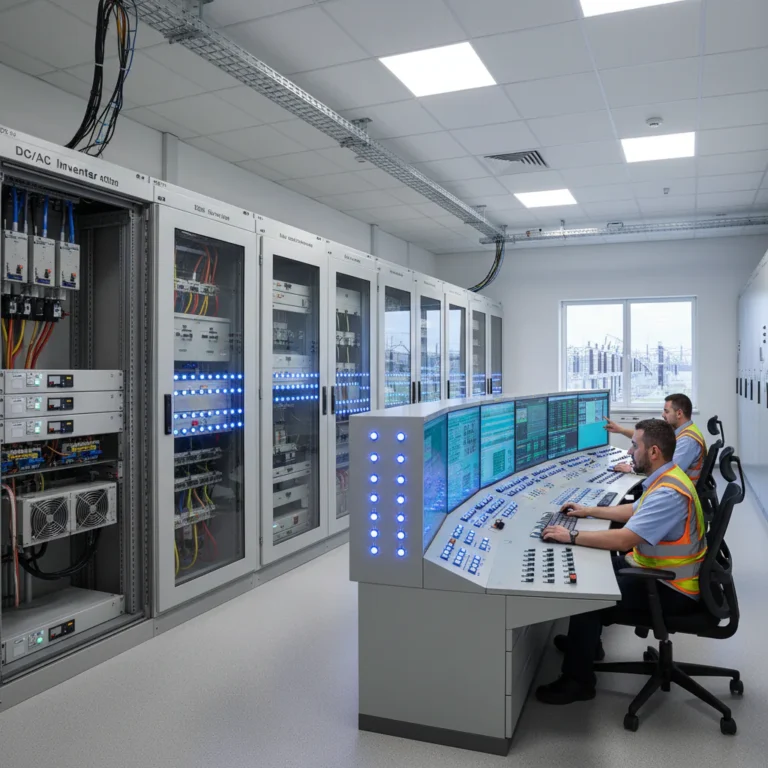
DC/AC inverter application areas
DC/AC inverters are an integral part of many critical infrastructures: Electric power – control and protection systems of power plants, transformer substations and distribution points, powered from the DC bus. Telecommunications – communication nodes and base stations, where uninterrupted AC power supply is necessary. Industry – automation systems, process control and industrial electronics, requiring stable sinusoidal AC voltage. Transport infrastructure – railway, maritime and airport navigation and signaling systems. Oil and gas sector – control and protection systems in remote facilities.
RELATED ARTICLES
New JUMO representative – new opportunities for the country's industry
Company news
May 25, 2026
Invertas, UAB has become the official JUMO distributor in Lithuania – new opportunities for the country's industry. The Lithuanian industrial sector is rapidly modernizing, and the automation, measurement...
More
Powerful 560kW VACON 100 FLOW – already at Petrašiūnai power plant!
Company news
January 20, 2026
Powerful 560kW VACON 100 FLOW – now at Kauno Energija's Petrašiūnai power plant! Kauno Energija has recently installed one of the largest Danfoss VACON 100...
More