en
  • lt
  • en

Resistant

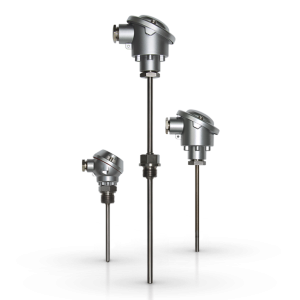
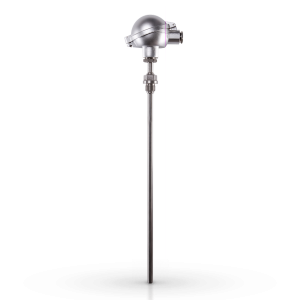
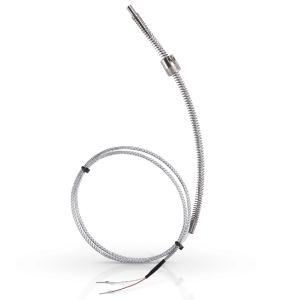
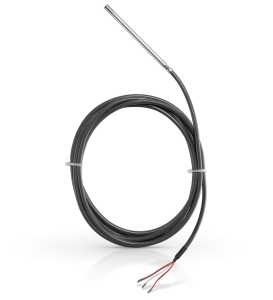
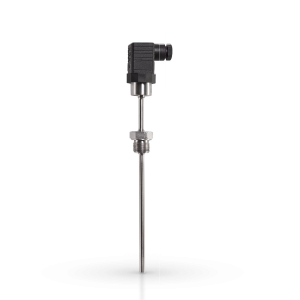
Resistance temperature sensors (Pt100 / Pt1000) for accurate and stable measurement of mid-range temperatures.

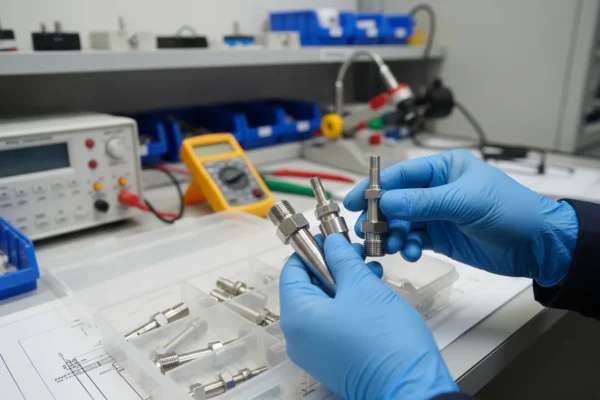
The highest quality of every product

Local services near you

Customer service every step of the way

Smooth technical communication

Resistance screw temperature sensors - buying guide

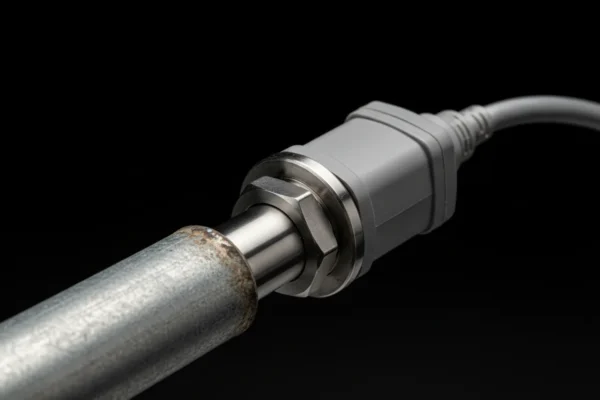
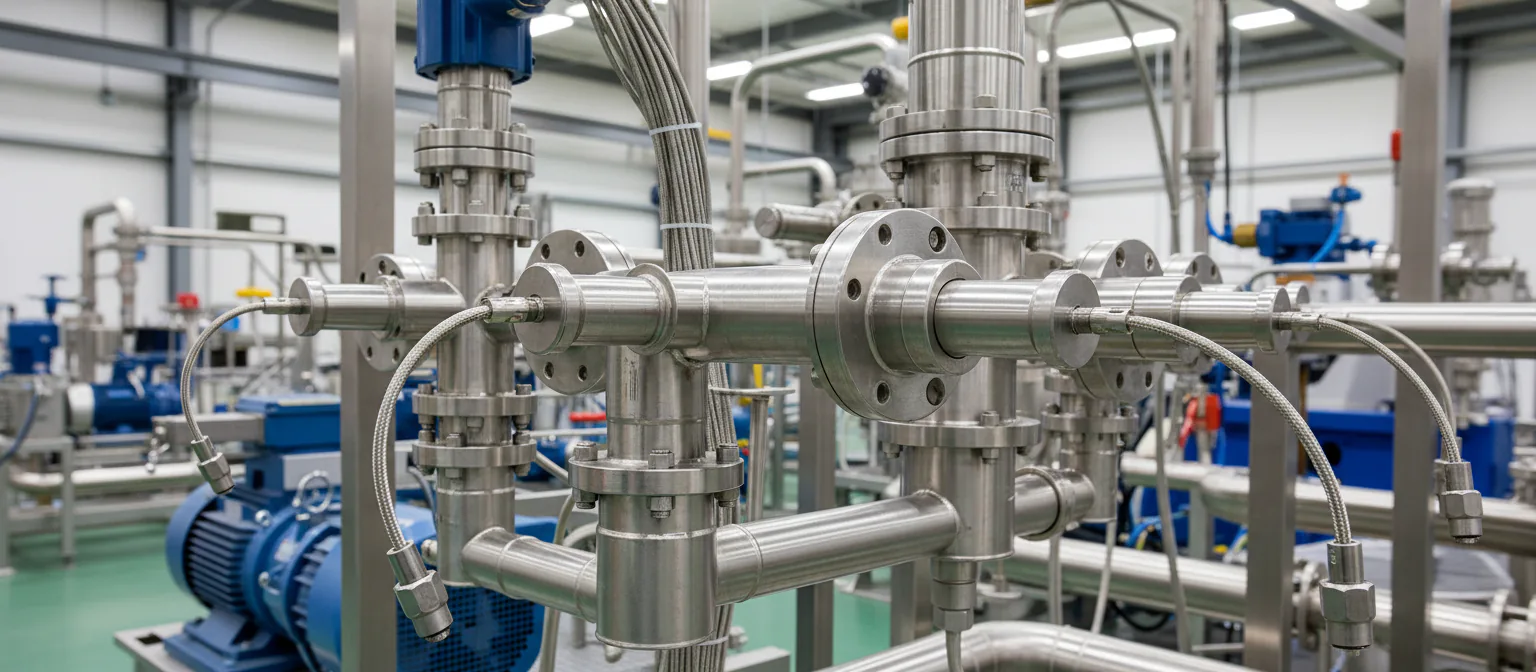
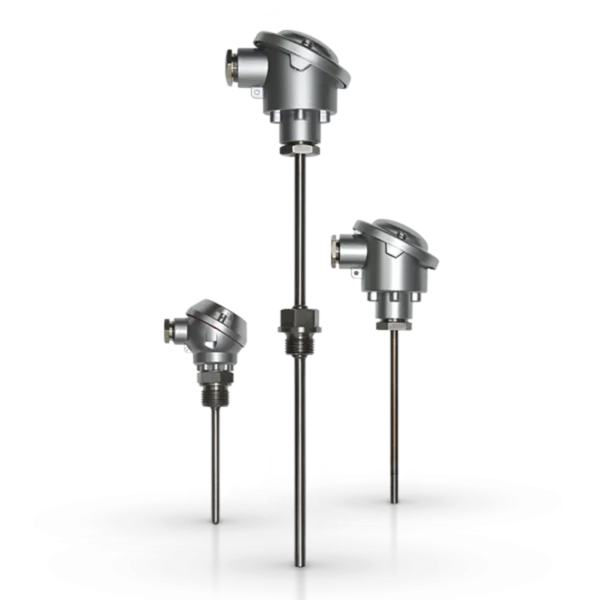
Rugged screw-type temperature sensors are reliable and durable measuring devices for use in aggressive industrial environments. They are installed directly into the process via a threaded connection and ensure stable and accurate temperature measurement under high pressure and mechanical stress.

Whether you are measuring the temperature of liquids, steam or gases, the right choice of screw-type sensor determines the accuracy of the measurement and the reliability of the equipment. This guide will help you understand the main types and selection criteria.

What are screw temperature sensors?

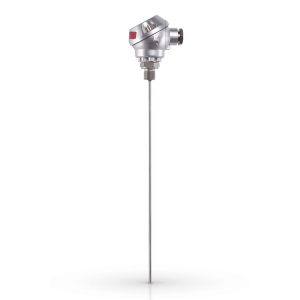
Screw-in temperature sensors are sensors with a threaded inlet that allows them to be directly mounted into pipes, tanks or process equipment. They can be resistance type (PT100, PT1000) or thermocouple type, depending on the required measurement accuracy and temperature range.

Such sensors are particularly suitable for industrial applications where rugged construction and resistance to vibration, pressure and corrosion are important. Threaded mounting ensures reliable assembly and easy sensor replacement without process shutdown.

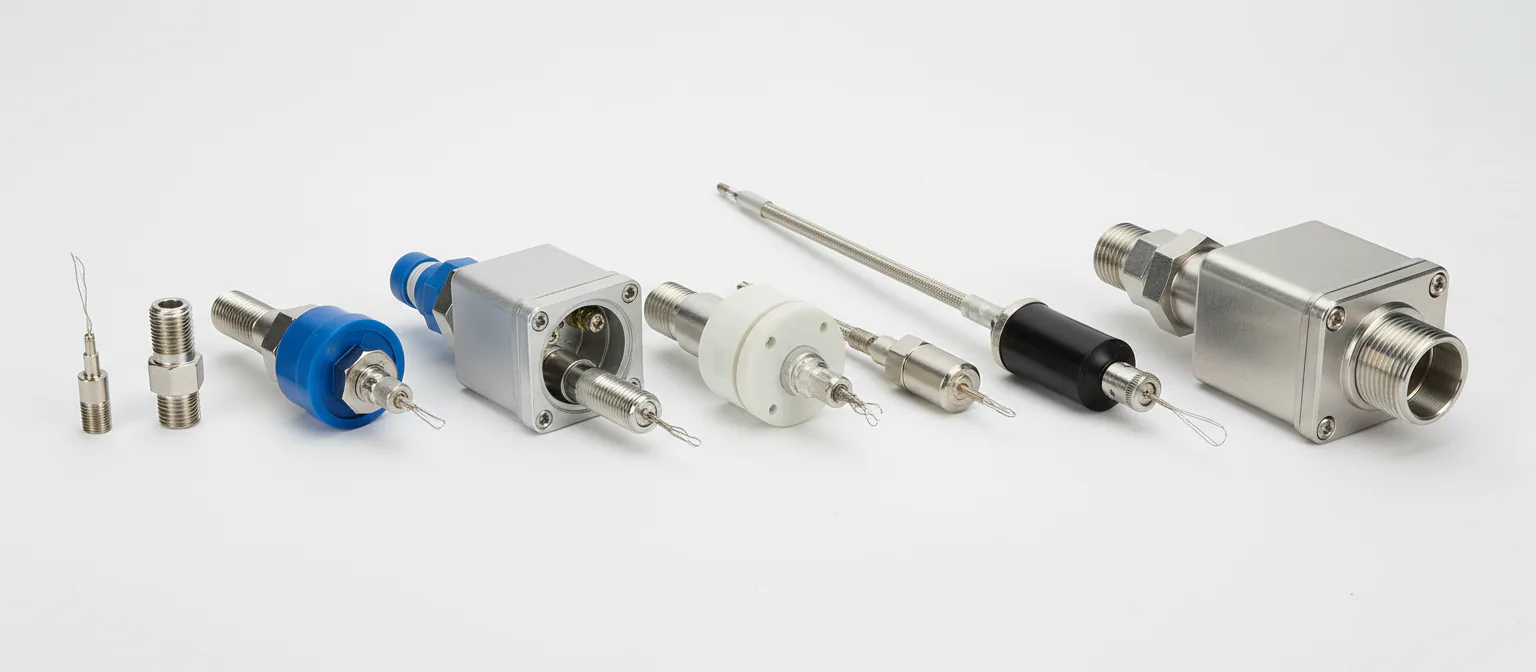
Types and applications of screw sensors

  1. PT100 / PT1000 (RTD): precise resistance sensors, suitable for the range -50°C to +400°C, widely used in the HVAC and food industries.
  2. Thermocouple screw sensors: high temperature range sensors up to +1200°C, suitable for the metallurgical and chemical industries.
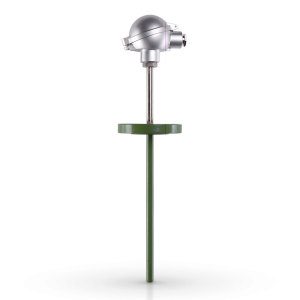
  3. Stainless steel housing: resistance to corrosion and aggressive media, long service life.
  4. Duplex design: enables redundant measurement and increases process reliability and safety.

How to choose a screw temperature sensor

When choosing a screw-in temperature sensor, first consider the process temperature range and pressure. PT100 sensors provide high accuracy at lower temperatures, while thermocouple sensors are suitable for high temperature applications up to +1200°C.

Select the appropriate thread type (G, NPT, M) and pitch according to the mounting hole. Consider the process medium - Hastelloy or special alloy housings are recommended for acidic or alkaline environments.

Consider the degree of protection (IP67 or higher) and the electrical connection – miniature connector, M12 or wired. Also consider the required response time and the vibration level of the process.

FAQ about screw temperature sensors

Frequently asked questions about the selection, installation and maintenance of screw sensors.


  • What type of thread is the most common?: In industrial environments, the G1/2″ thread is most commonly used, but NPT and metric threads are also widely used in the North American and European markets.
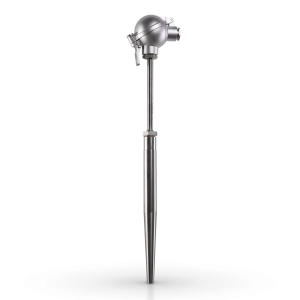
  • Is it possible to replace the sensor without stopping the process?: Yes, if a protective sleeve (heat treatment) is used - the sensor can be removed and replaced without stopping the process.
  • What is the accuracy of a PT100 sensor?: A standard PT100 sensor meets class B accuracy (±0.3°C), while higher quality class A sensors achieve ±0.15°C accuracy.